







Pepper from Zanzibar is not just a spice, but a piece of history and culture. This special variety grows in ideal climatic conditions and is cultivated by smallholder farmers on Zanzibar using sustainable farming practices. Here, freshness and flavour combine with social responsibility and ecological sustainability.
Zanzibar, the spice island
Climatic conditions and fertile soils
The spice island of Zanzibar lies in the warm tropical zone of the Indian Ocean and benefits from consistently mild temperatures that favour the growth of pepper and other spices. The fertile soils are particularly rich in nutrients and give the spices a uniquely intense aroma.
Traditional mixed-forest and plantation cultivation
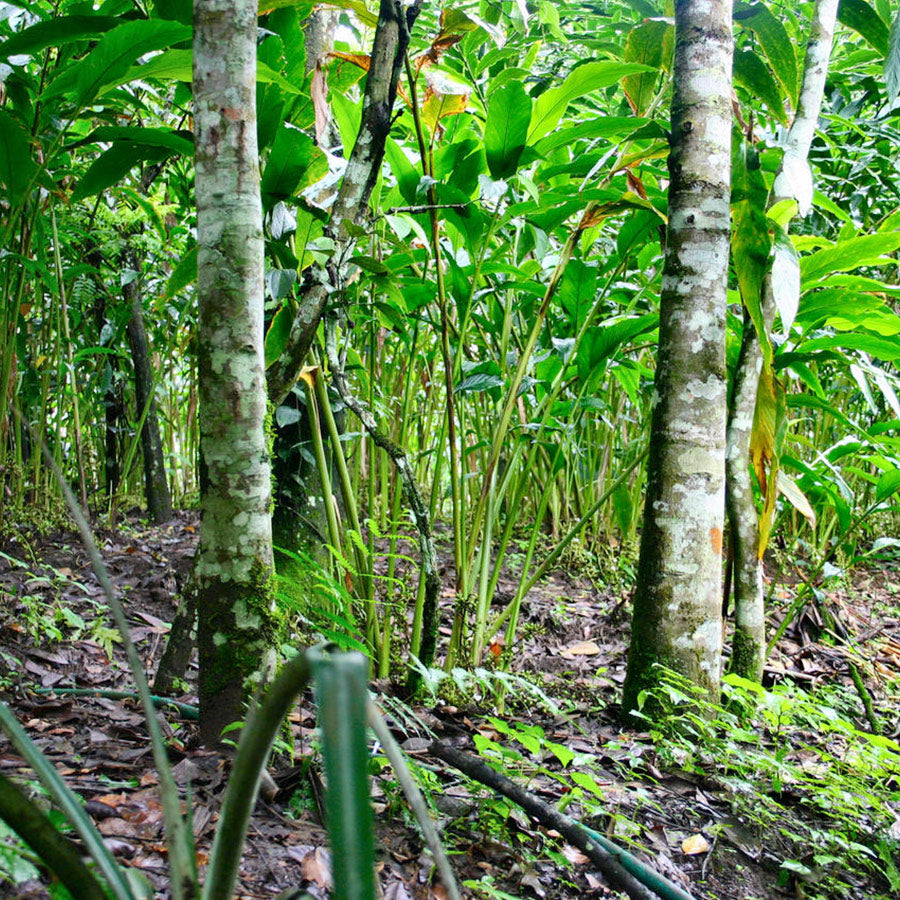
On Zanzibar, pepper is traditionally grown in mixed cultivation. This farming method promotes biodiversity and protects local ecosystems. Smallholder farmers combine pepper plantations with other plants such as coconuts and fruit. This creates a harmonious balance between the plants that minimises the ecological footprint.
Importance of spices for the local economy
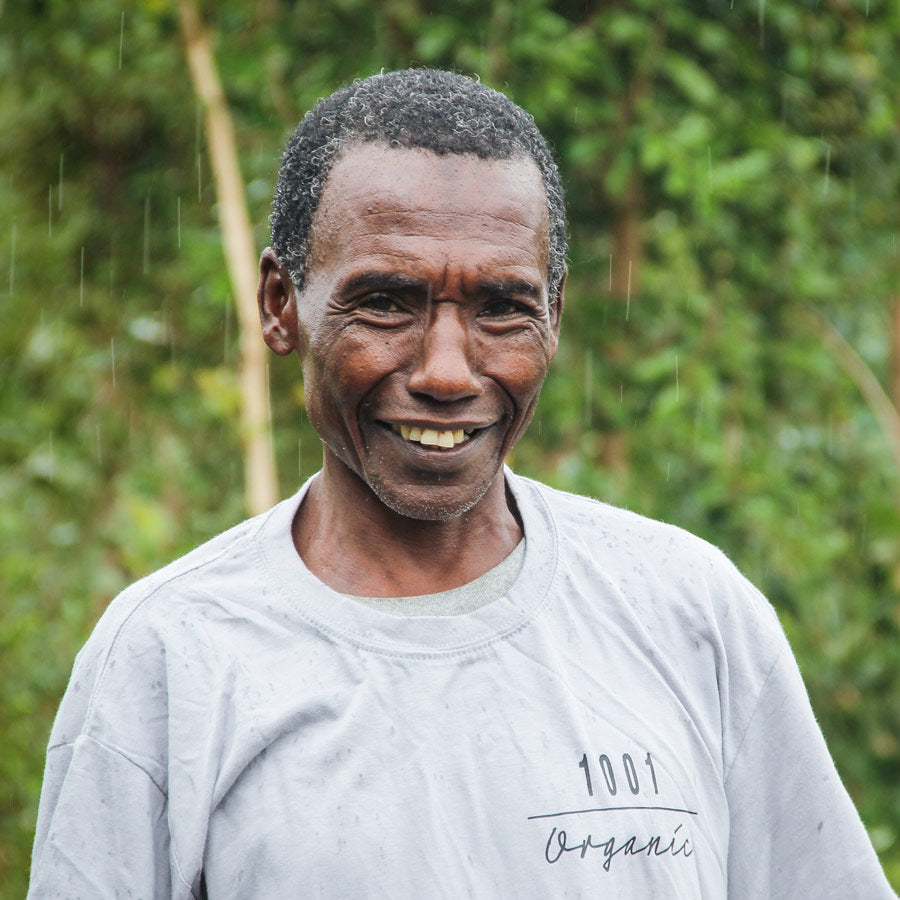
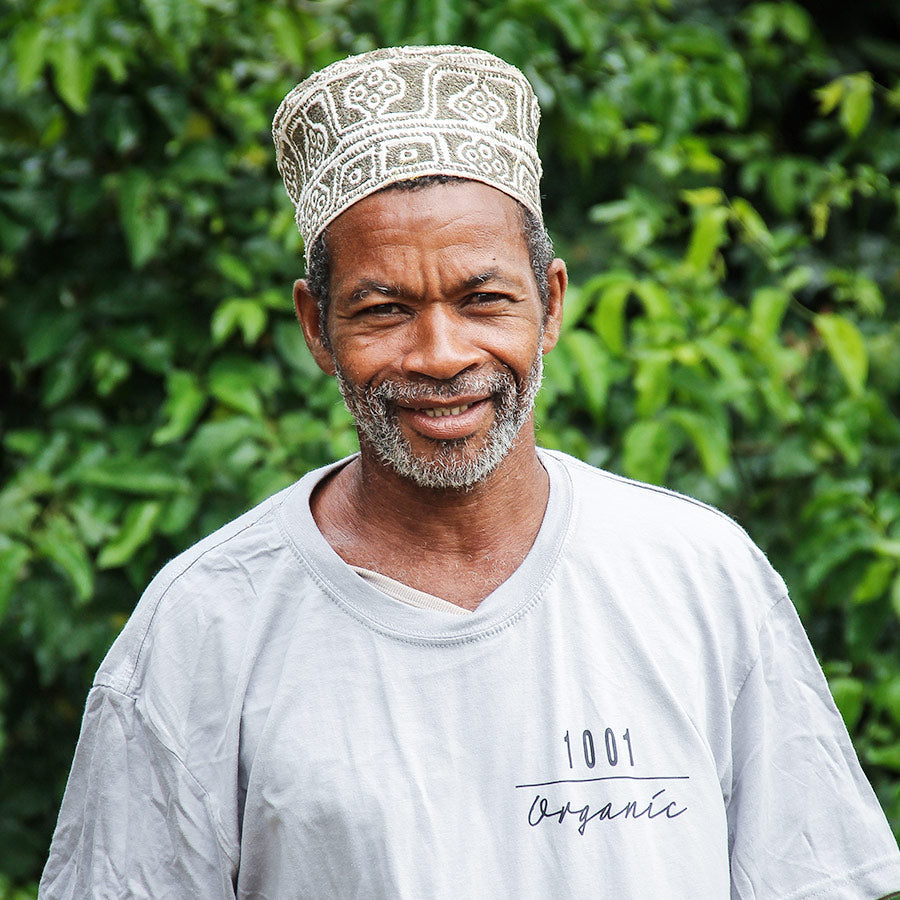
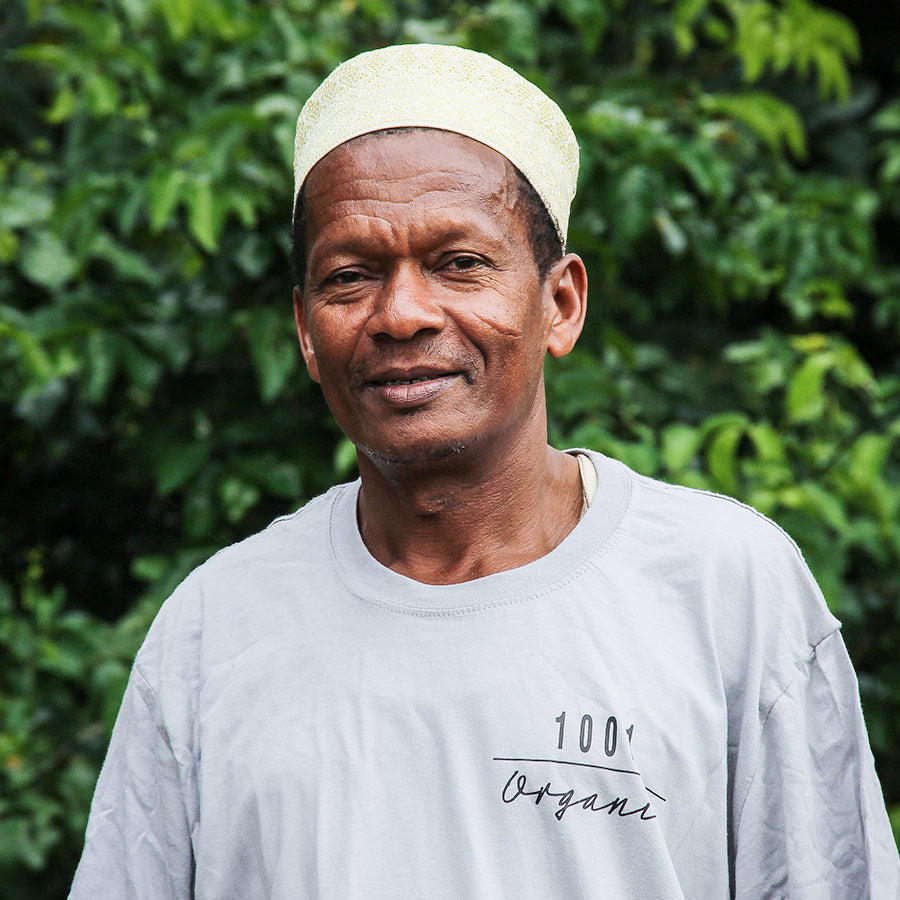
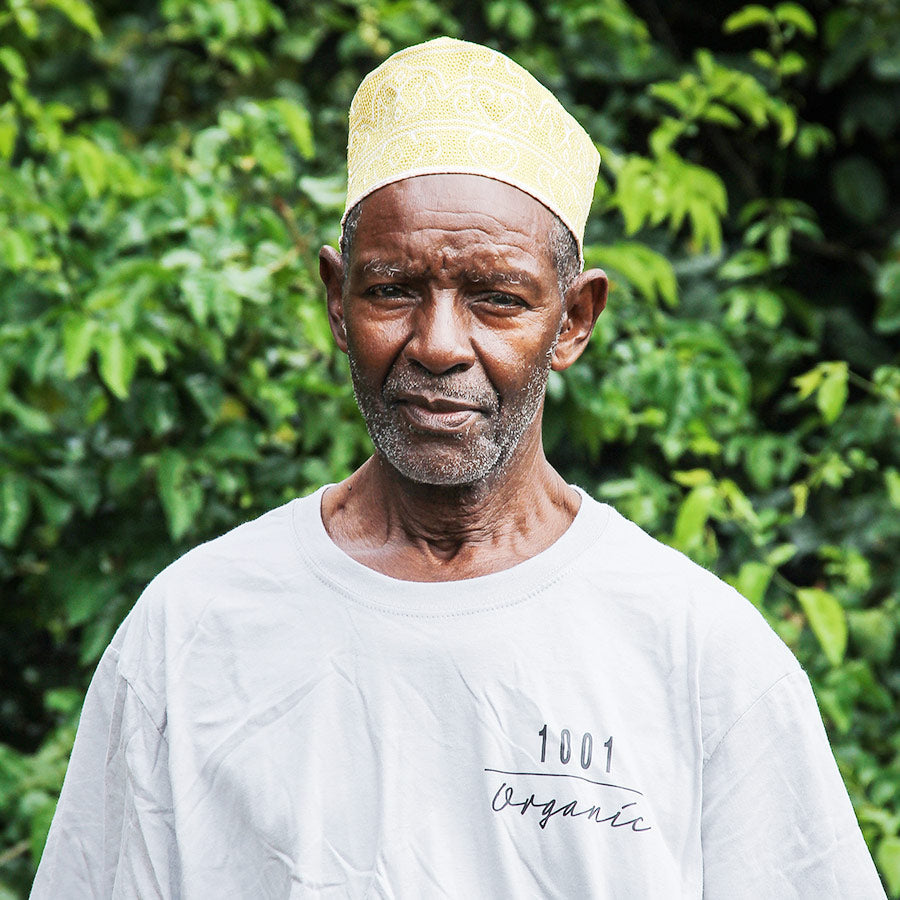
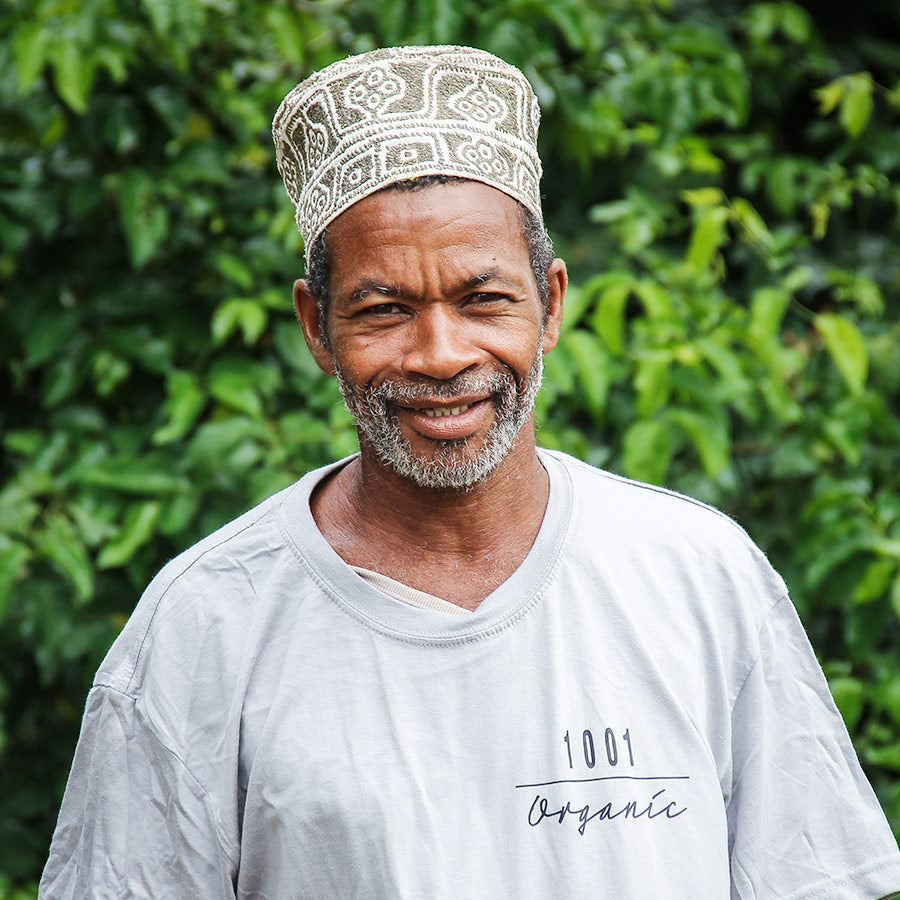
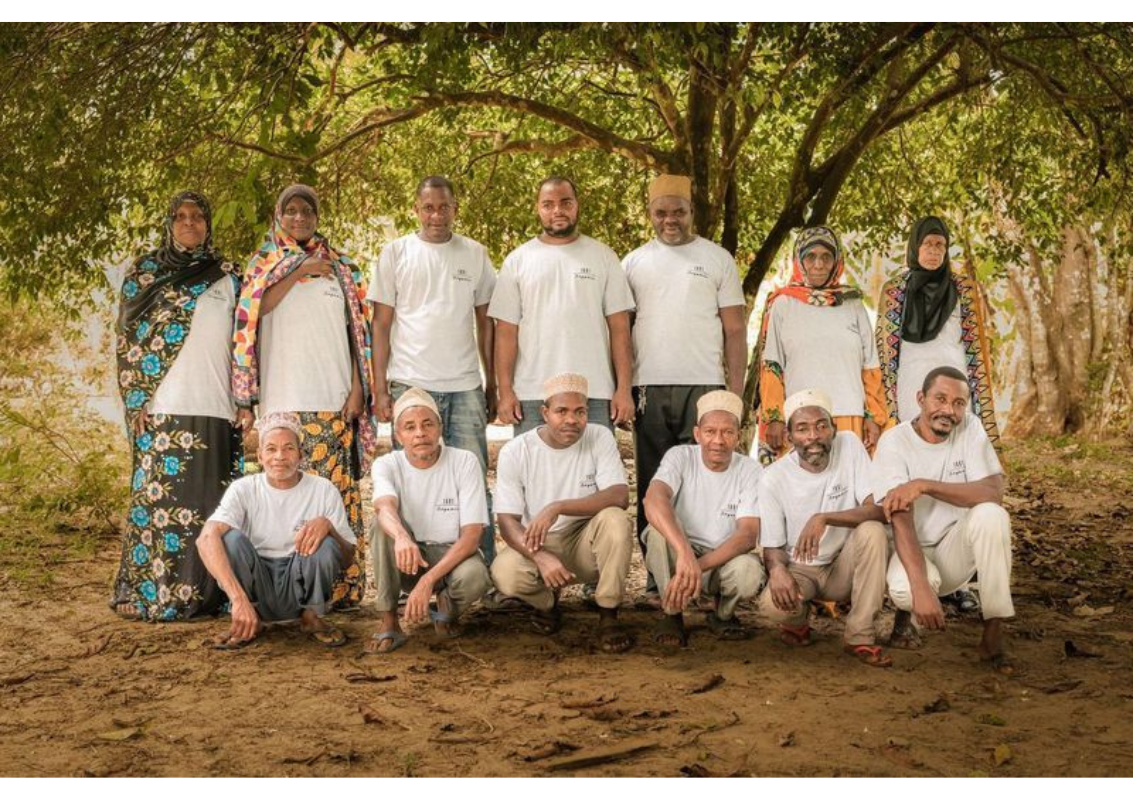
Pepper plays a crucial role in Zanzibar’s economy. Many smallholder farmers and their families depend on growing pepper to secure their livelihoods. Through direct trade with 1001 Organic, the farmers receive fair prices and long-term prospects, which significantly improves their living conditions.
Historical role in the international spice trade
Zanzibar has a rich history in the spice trade dating back to the 15th century. The island’s strategic location made it a central trading hub for spices such as pepper, cloves and nutmeg. These trade relations have also had a lasting influence on the island’s culture and traditions.
Pepper – the plant on Zanzibar
Growth habit and appearance of the pepper plant
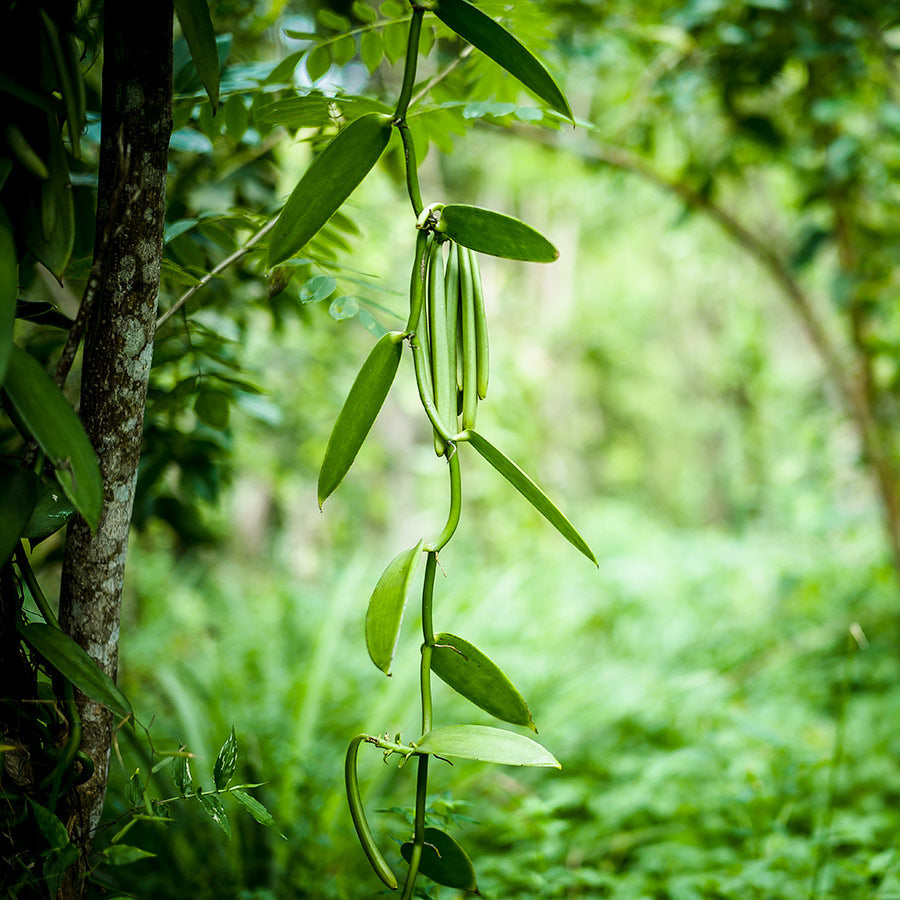
- Climbing plant: Pepper grows as a vine that clings to trees.
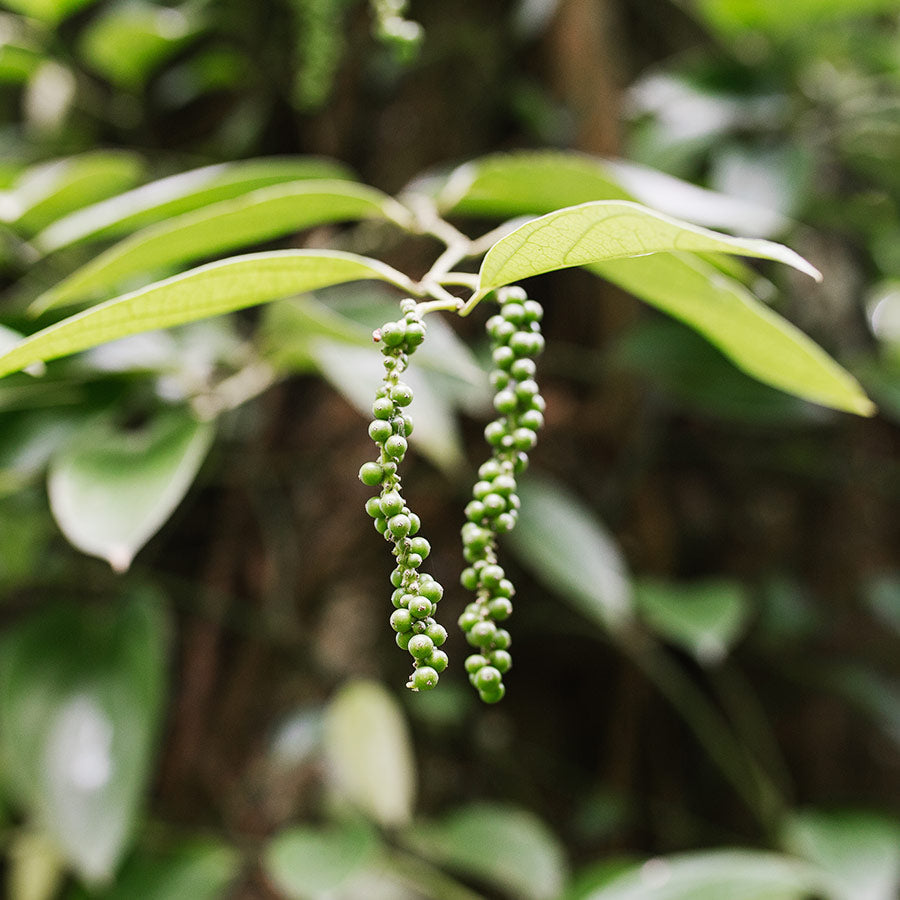
- Fruit: The fruits grow in clusters, start green, then turn red and finally reach their dried black form.
Ripening stages of peppercorns
- Green pepper: Unripe green berries that can be used fresh.
- Red pepper: Fully ripened red berries that develop a sweetish note.
- Black Pepper: Dried green berries with an intense aroma.
- White pepper: Red berries from which the skin and flesh have been removed.
Harvesting and processing pepper
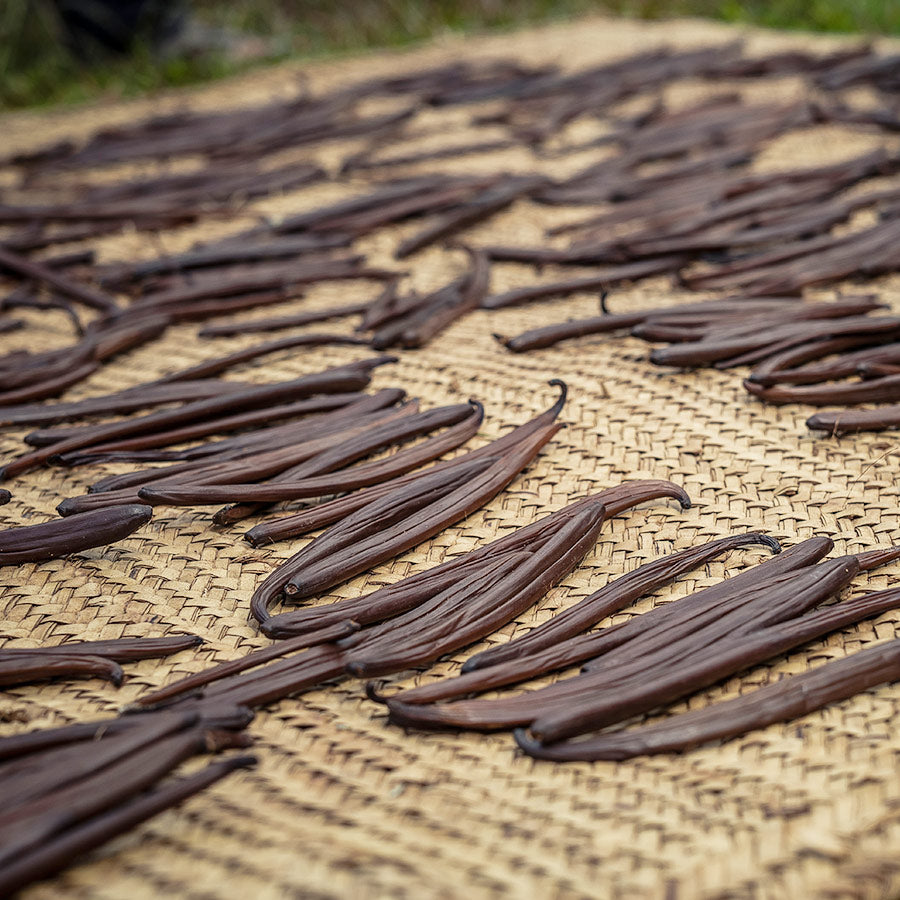
Pepper is harvested by hand, as the clusters must be carefully picked and sorted. After harvesting, the pepper clusters are gently dried either in the sun or under a roof. They are then cleaned and sorted by colour and quality to ensure the best produce.
Other typical spices besides pepper
Cloves as the most important export spice
Cloves are Zanzibar’s most important export spice. Historically, up to 90% of world production came from this archipelago. The clove trade was one of the main pillars of the island’s economy.
Classic spices of the island
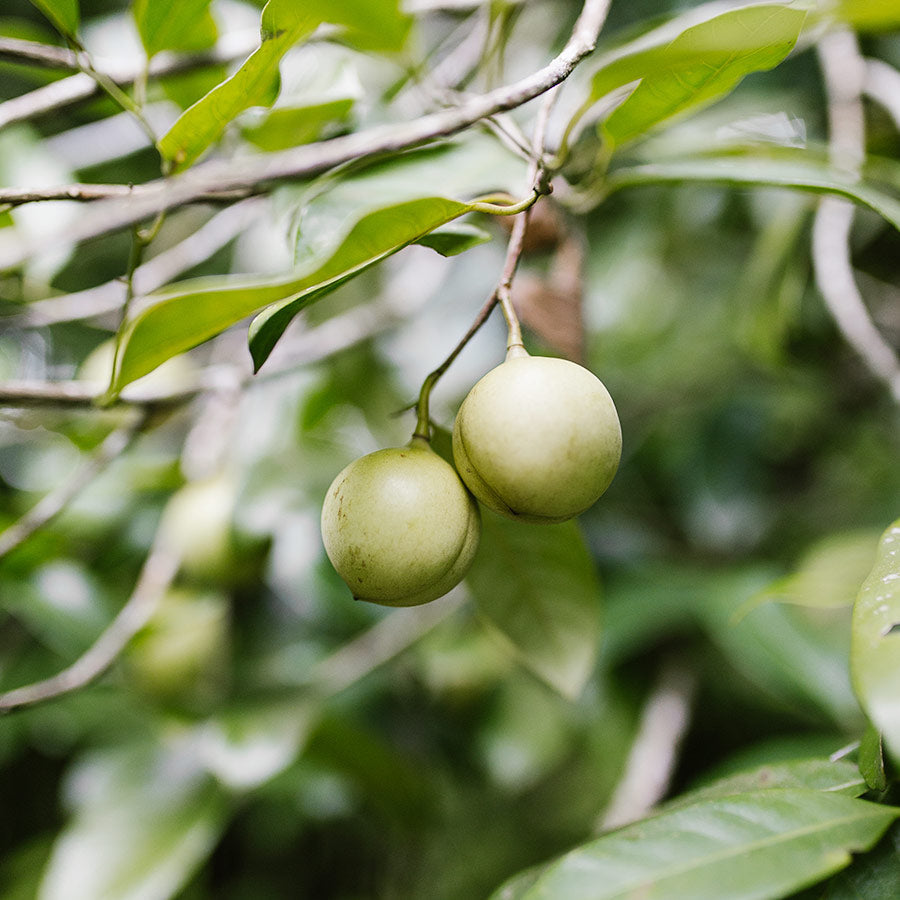
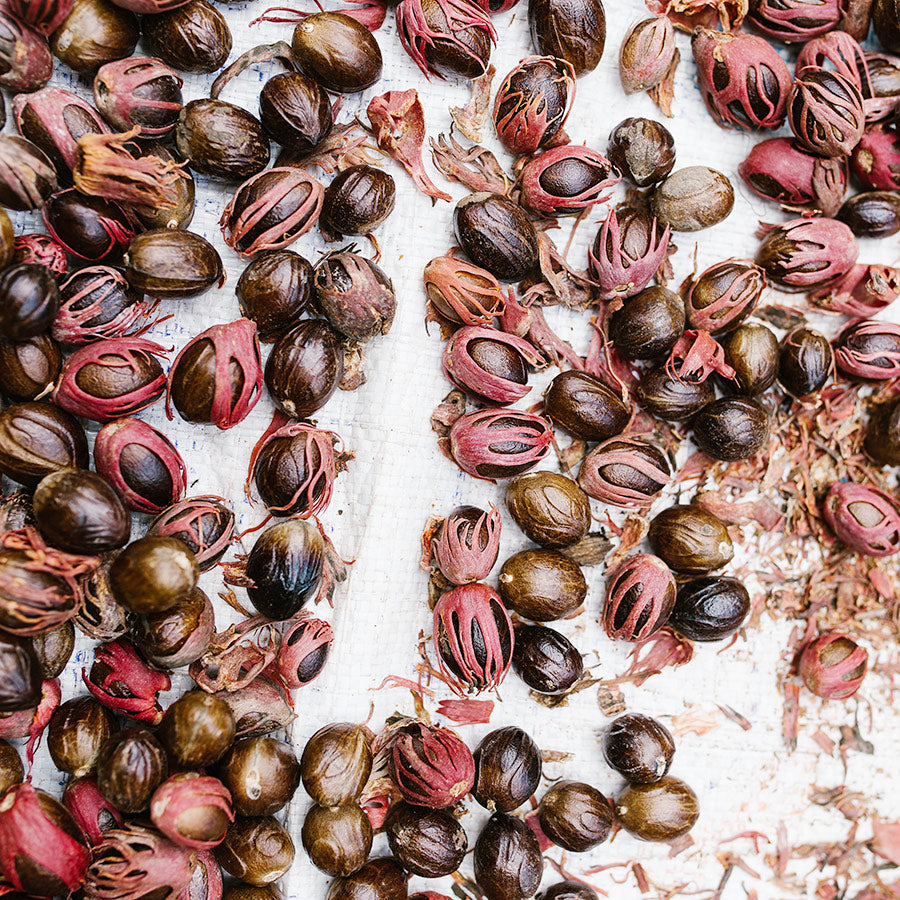
- Nutmeg: Known for its intense taste and aroma.
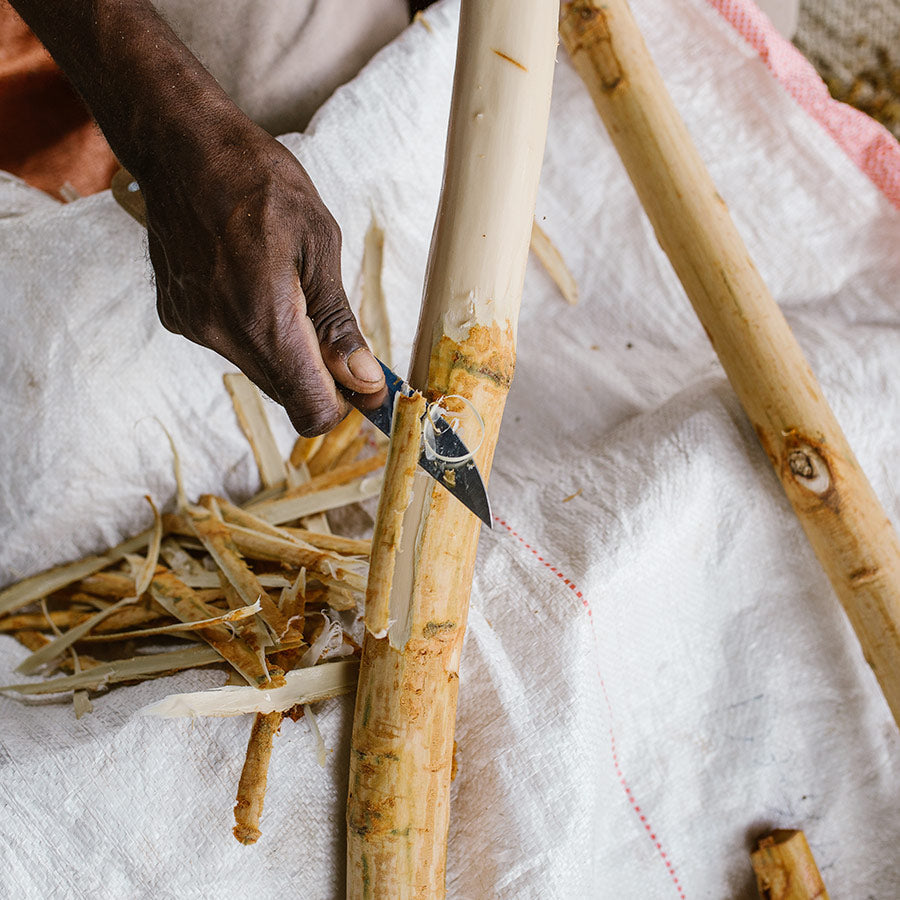
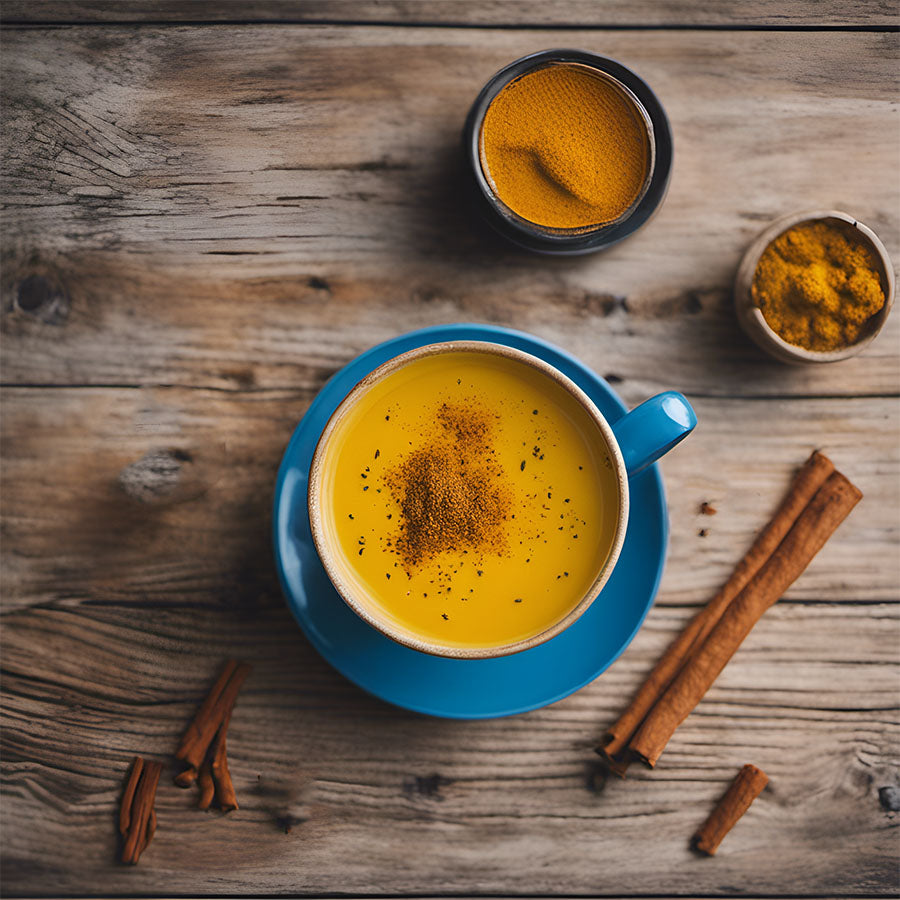
- Cinnamon: Another popular spice, often used in combination with pepper.
- Cardamom: An aromatic spice found in many regional dishes.
- Ginger: Valued for its heat and used in various dishes.
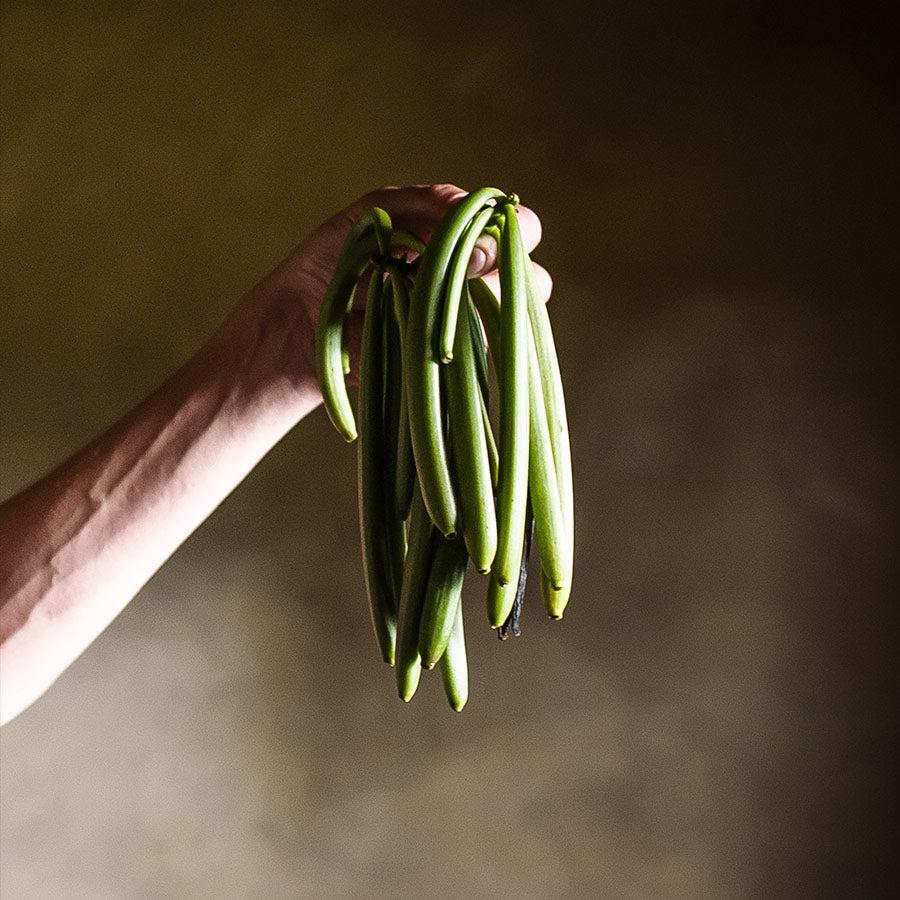
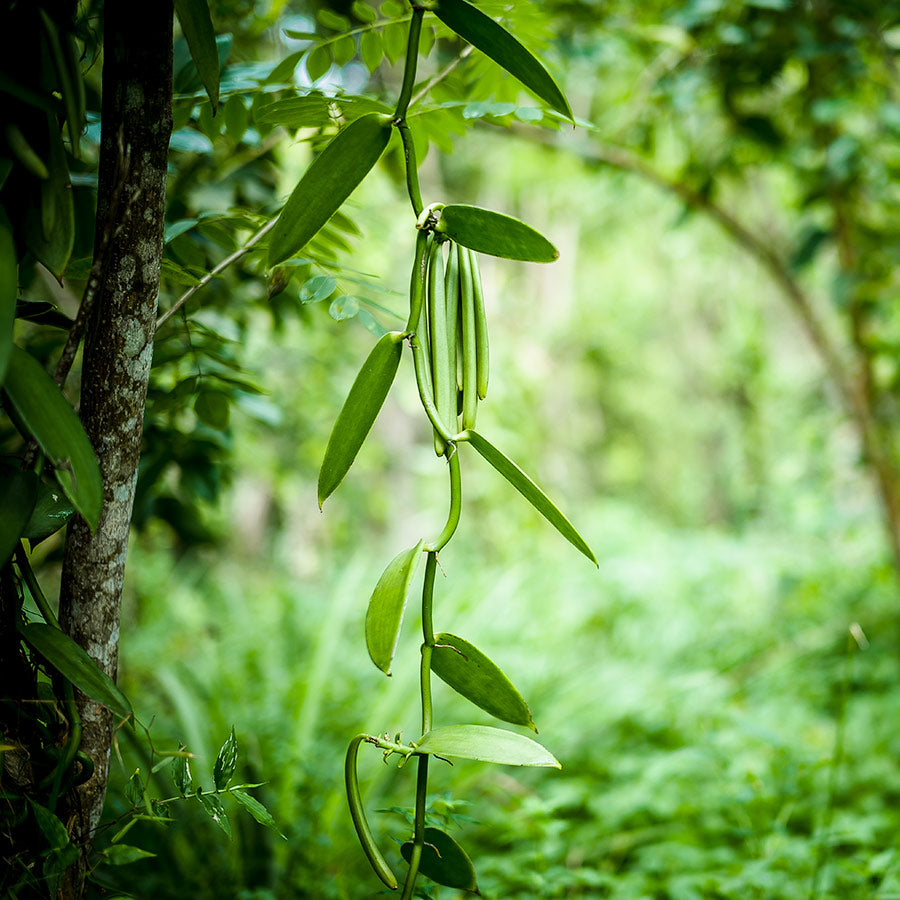
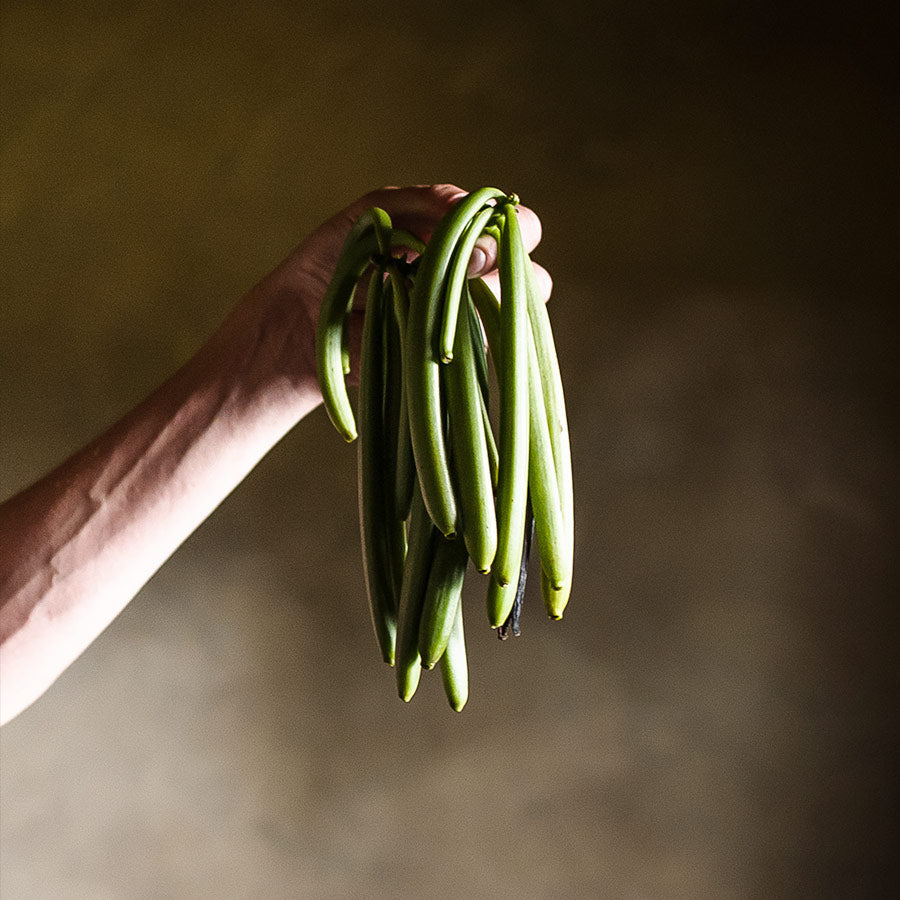
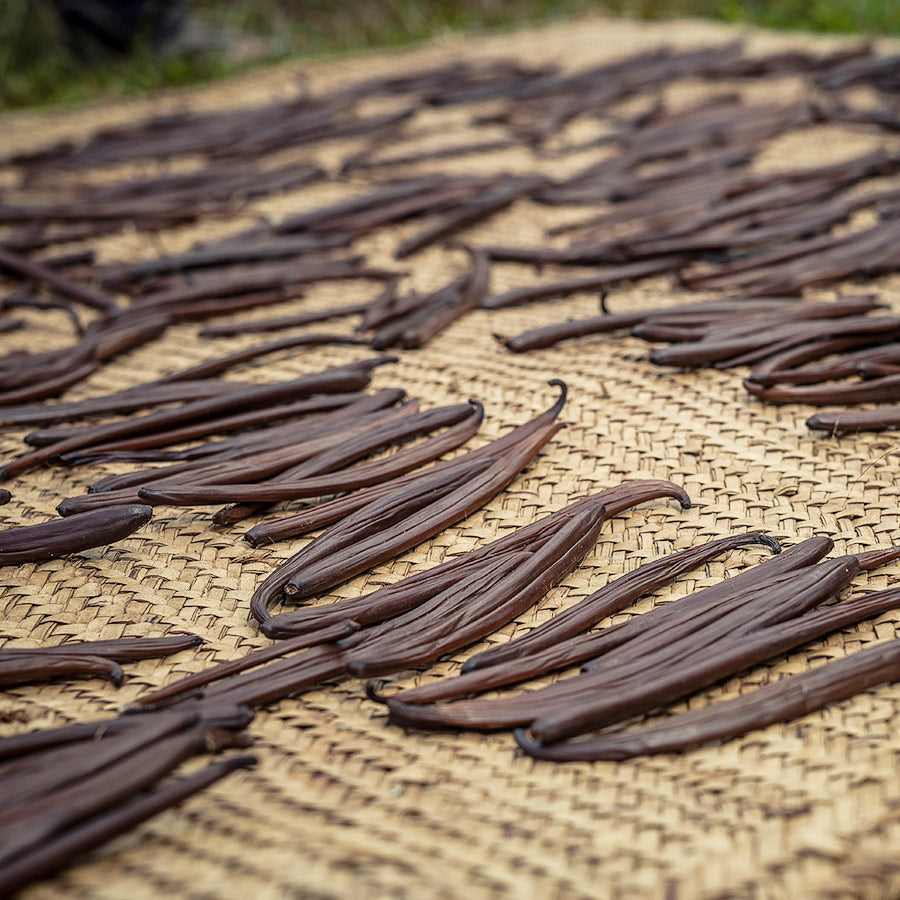
- Vanilla: A precious ingredient in local and international cuisine.
Variety of spices and culinary significance
Combining pepper with other spices is very important in the local cuisine. Zanzibar is known for its aromatic dishes, which combine the influences of Arabic, Indian and African cuisines.
History of Zanzibar and the spice trade
Early times and first trade contacts
The first trade contacts on Zanzibar came from Arab and Persian traders who valued the island’s spices and other raw materials. These contacts laid the foundation for the later rise of the spice economy.
Arab and Persian traders on the East African coast
Arab traders were crucial to the development of the spice trade and brought their culture and traditions with them, which are reflected in Zanzibar’s cuisine and everyday life.
The Portuguese period and control of key sea routes
In the 16th century, the Portuguese took control of important sea routes and the spice trade. This period had a profound impact on the development of the region.
Rule of the Omani Sultanate
- Expulsion of the Portuguese: In the 17th century, the Portuguese were driven out by the Omani Sultanate.
- Relocation of the capital: In the 19th century, the Sultan moved the capital to Zanzibar and increased spice cultivation.
The slave trade and spice production
Zanzibar developed into a central hub of the East African slave trade, which was closely linked to spice production. The spice plantations needed labour, which often came from the slave trade.
Colonial era, independence and union
British and German colonial policy shaped the region until independence in the 1960s. The revolution led to a union with the mainland and to Zanzibar’s current semi-autonomous status.
Spice plantations and everyday life
Structure of the plantations after the revolution
After the revolution, many large plantations were nationalised and the land was divided among smallholder families, who thus gained direct responsibility for growing and selling their products.
Smallholder farming and local markets
Smallholder farmers sell their spices, such as cloves and pepper, at local markets, where consumption and demand are rising. Price differences between local markets and export markets are often considerable.
Tourism – experiencing “where the pepper grows”
Spice tours and farm visits
For tourists, guided tours through spice forests and plantations offer fascinating insights into farming methods. Visitors can smell, see and taste the pepper, while local guides provide valuable information.
Culinary experiences for travellers
Travellers have the opportunity to experience freshly picked spices straight from the plants and to take part in cooking classes that show how pepper and other spices are used in traditional recipes.
The expression “where the pepper grows” in a travel context
The German expression “wo der Pfeffer wächst” (“where the pepper grows”) takes on a new meaning here and becomes a synonym for the fascinating riches of flavour that Zanzibar has to offer.
Stone Town as a centre of trade and history
Historic old town and architecture
Stone Town is known for its historic old town, an impressive example of the blend of Arab, African, Indian and European influences. This cultural diversity is also reflected in the architecture of the old merchant houses and palaces.
Markets and the spice trade
The traditional markets in Stone Town are bustling and full of life – pepper, cloves and other spices are traded here. Historically, these spices were considered extremely valuable.
Religious and cultural diversity
Stone Town has a fascinating mix of different religions, with mosques, churches and temples coexisting in harmony and highlighting the city’s cultural diversity.
Cultural and linguistic context of pepper and Zanzibar
Idioms and symbolism of pepper
Pepper is not just a spice; it also has a deeper meaning in language. The German expression “where the pepper grows” refers to faraway places and symbolises adventure and voyages of discovery.
Pepper as part of regional cuisine
In regional cuisine, pepper is often used in combination with other spices such as cinnamon, cardamom and cloves to enhance the flavours of meat, fish and vegetable dishes.
Influence of different cultures on spice traditions
The influence of Arab, Indian and African trading and cooking traditions has led to a distinctive spice culture on Zanzibar, characterised by a harmonious layering of flavours and traditions.
Economic importance of spices today
Pepper and cloves as export goods
The island’s importance for spice exports remains today; cloves and pepper in particular are still key export products that contribute to the local economy.
Combining spice production and tourism
The spice plantations attract tourists and provide additional sources of income for farmers, creating a link between agriculture and tourism.
Prospects for smallholder farmers and rural regions
A system of small plots and mixed cultivation is the economic basis for many families. Stable prices and reliable purchasing are crucial for securing the livelihoods of smallholder farmers.
Natural environment and farming systems
Tropical climate and fertile soils as the basis
Zanzibar’s tropical climate and fertile soils are the key factors for successfully growing pepper. They provide the optimal conditions that promote the growth and quality of the spices.
Mixed forest, coconut palms and spice trees
The various farming systems that combine mixed forest and coconut palms contribute to the health of the ecosystem and support the region’s biodiversity.
The interplay of agriculture and biodiversity
Sustainable spice cultivation is crucial for the balance between agriculture and the preservation of biodiversity. 1001 Organic promotes agroforestry to maintain the natural balance.
FAQ
What is the difference between black and white pepper?
Black pepper is made from unripe green berries that are dried, while white pepper is made from fully ripe red berries from which the skin and flesh are removed.
How is pepper grown on Zanzibar?
On Zanzibar, pepper is traditionally grown in mixed cultivation, which promotes biodiversity and helps smallholder farmers use sustainable farming practices.
Where do 1001 Organic pepper products come from?
1001 Organic pepper products come directly from smallholder farmers on Zanzibar, where they are grown under fair conditions using sustainable practices.
How does buying 1001 Organic pepper affect the farmers?
Every purchase directly supports smallholder families, as they receive fair prices for their products, which improves their living conditions and gives them long-term prospects.
Can I use pepper from Zanzibar in my everyday cooking?
Yes, pepper from Zanzibar is excellent for many dishes. It gives meat, fish and vegetables a pleasant heat and an intense aroma.
Why should I buy pepper from Zanzibar?
Pepper from Zanzibar not only offers an unmistakable flavour and the highest quality, it also supports sustainable farming practices and does good for local communities.


Bestsellers














Natural & Fair
• Sustainable farming practices
• Local communities
• Direct partnerships
• Effective value creation at the source of the spices
• Farm to Kitchen concept
• Protection of biodiversity
• Fair working conditions

