












Discover the art of grinding spices in a mortar and learn how to unlock the full flavour and aroma of your ingredients. From choosing suitable spices to the right mortar technique, here you'll find all the information you need to refine your culinary creations.
Why grind spices in a mortar?
Fresh aroma and intense flavour
Grinding spices in a mortar has many advantages, especially when it comes to flavour. Whole spices often have an overwhelming aroma that comes into its own when ground or crushed. Here are some aspects to keep in mind:
- Difference between whole and ground spices: Whole spices retain their aromatic compounds much longer than ground versions, which lose flavour more quickly.
- Releasing essential oils: Grinding in a mortar breaks open the cells of the spices, releasing essential oils. This intensifies the aroma and creates a fuller flavour.
- Comparison: A mortar is often superior to ready-ground spices from a packet, because you experience fresh aromas that enrich your dishes.
Control over grain size and texture
A mortar lets you adjust grain size and texture individually. This has a significant effect on the preparation and final result of your dishes:
- From coarsely crushed to finely ground: Depending on the dish, the right grain size can have a considerable influence on the flavour.
- Coarse pieces: Useful for rounding off the aroma of dishes, especially in stews or on the grill.
- Fine powder: Better suited to sauces, dips or baked goods, where an even texture matters.
Tradition, ritual and a moment of enjoyment
Grinding spices in a mortar goes beyond mere preparation. It is also a sensory experience that shapes many traditional cuisines:
- Mindful work: Using a mortar heightens your awareness of ingredients and their aromas and brings you closer to your cooking.
- Sensory cooking: The scent of crushed spices, the sound of the pestle in the mortar and the feel of the work create a special moment in the kitchen.
- Classic cuisines: Many traditional dishes call for spice blends prepared in a mortar, such as pesto or special curry pastes.
Which spices are particularly suitable for the mortar?
Classic whole spice seeds
Here are some of the best spices to process in a mortar:
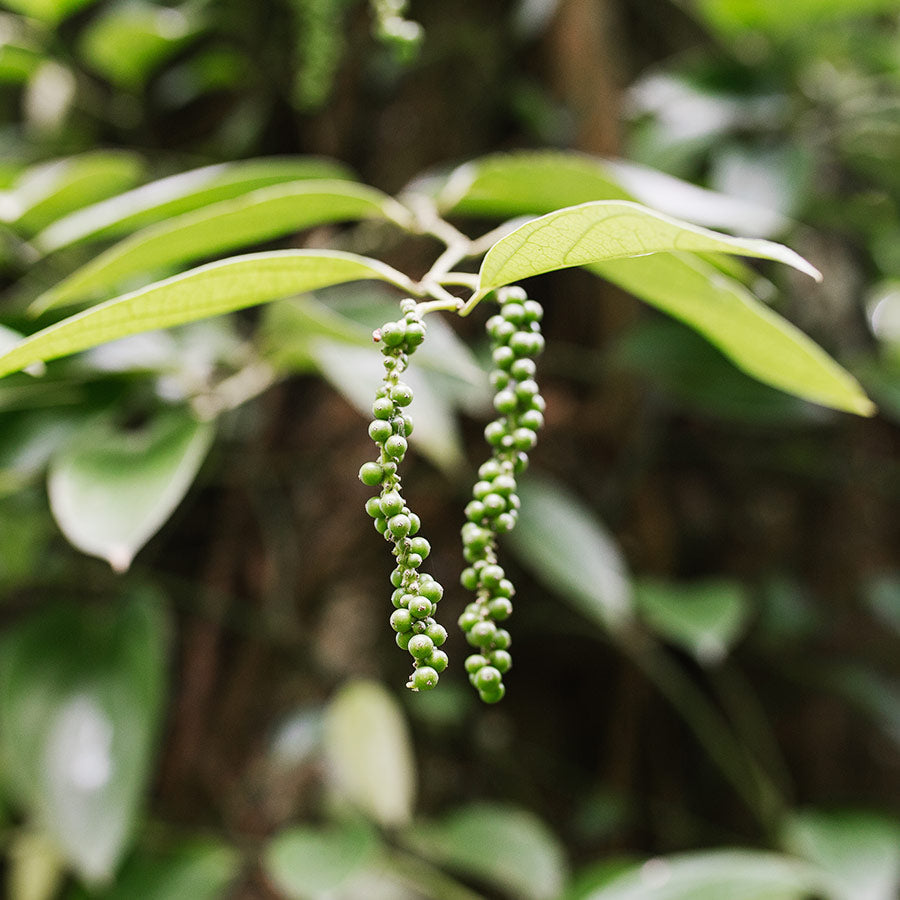
- Peppercorns: Different varieties such as black, white and green are always a good start for intense flavour.
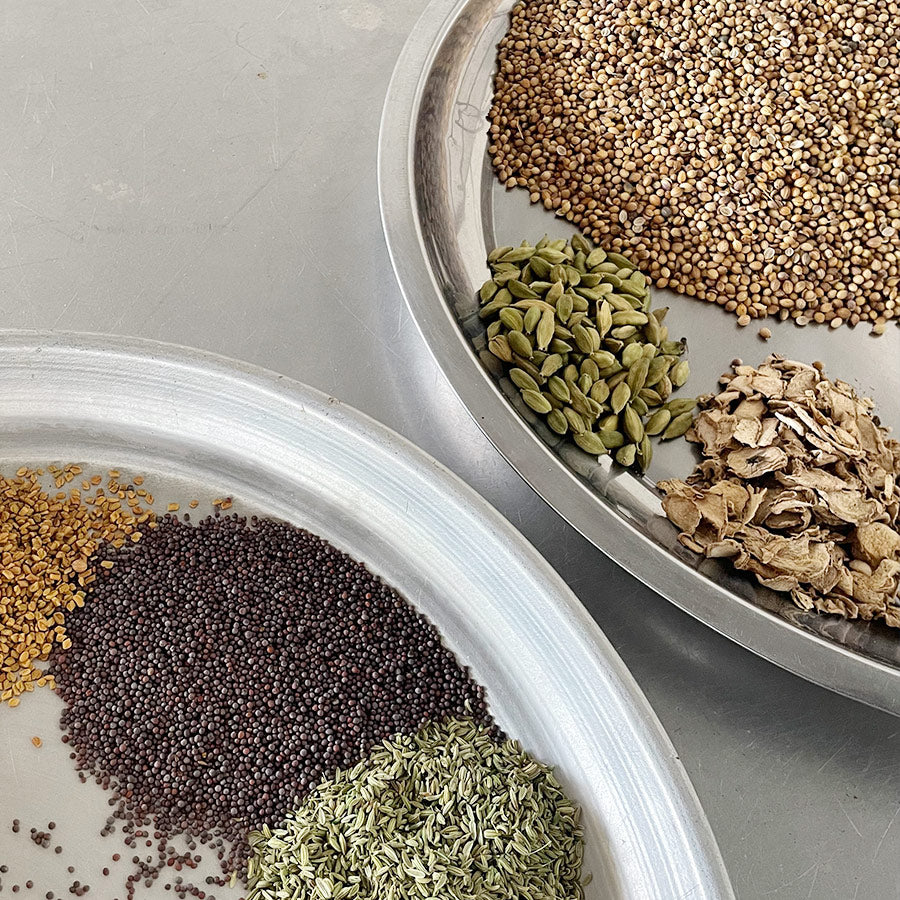
- Coriander seeds: Perfect for freshly flavoured dishes and as a component of countless spice blends.
- Cumin: Its earthy flavour is especially popular in Indian and Middle Eastern cuisine.
- Fennel seeds: They give your dish a sweet note and go perfectly with various fillings or spice blends.
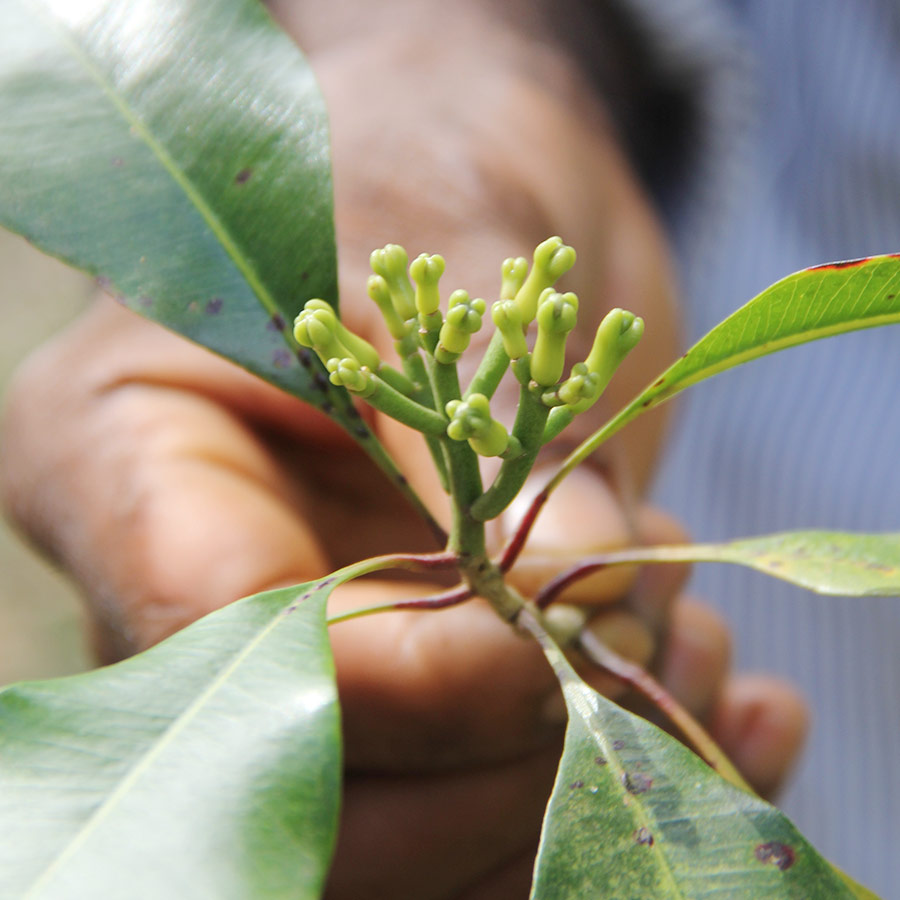
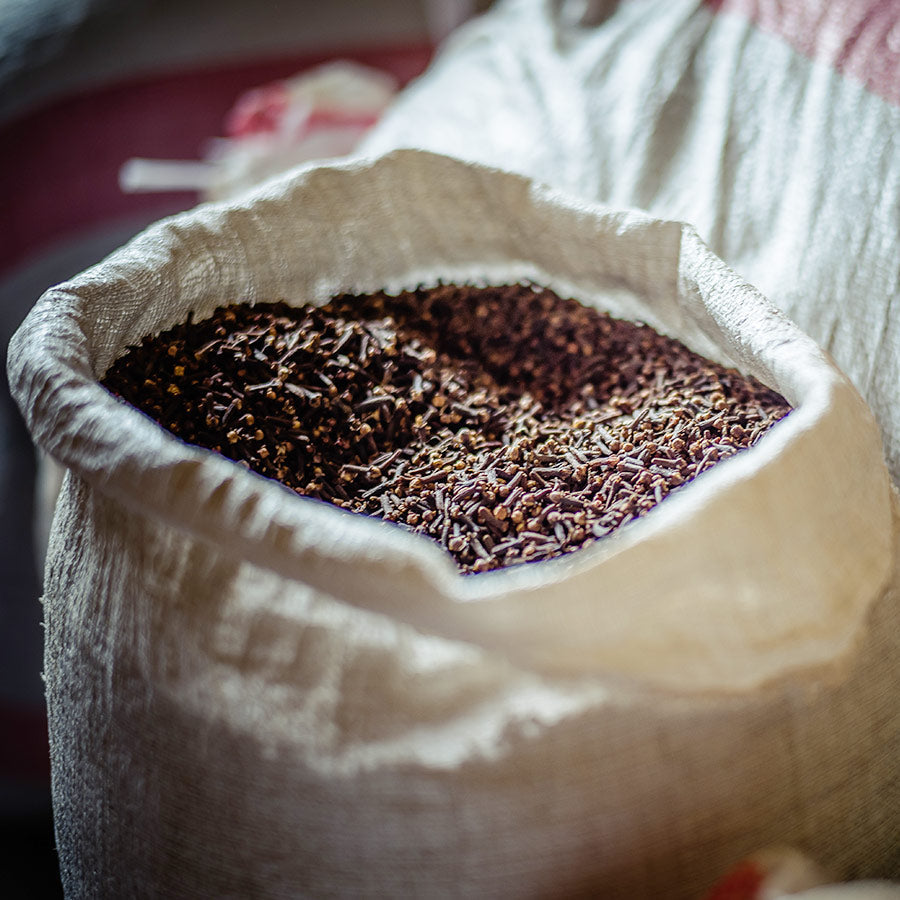
- Cloves: Their intense aroma makes them ideal for savoury and sweet dishes.
Dried berries and fruits
Some fruity spices are also excellent for the mortar:
- Juniper berries: Perfect for marinated dishes or in combination with meat.
- Grains of paradise: Their heat is ideal for exotic dishes.
- Dried elderberries: They can bring an interesting colour and a sweet aroma to your food.
Dried flowers and flower parts
Give your spices a floral note too:
- Saffron threads: Give every dish a golden colour and a unique aroma.
- Cinnamon buds: Perfect for sweet combinations and as a subtle addition to savoury dishes.
Seeds and kernels with spicing power
Here are some more options you can crush in a mortar:
- Cardamom seeds: They give your dish a refreshing note, ideal for sweet and savoury dishes.
- Fenugreek seeds: Often used in Indian dishes, they bring a unique, slightly bitter flavour.
Aromatic leaves (dried)
Dried leaves also offer interesting flavours:
- Bay leaves: Put in the mortar for stews and broths, they release their full aroma.
- Thyme and oregano: Ideal for Mediterranean dishes, they enhance the flavour with a deep, aromatic influence.
Roots, barks and peels (limited)
Some additional spices also come into question here:
- Dried chillies: Chillies are particularly easy to crush in a mortar to bring a hot note to your dishes.
- Lemon and orange peel: Ideal in blends for a fresh citrus aroma.
Which spices are less suitable for the mortar?
Very hard spices
Some spices really shouldn't be processed in a mortar:
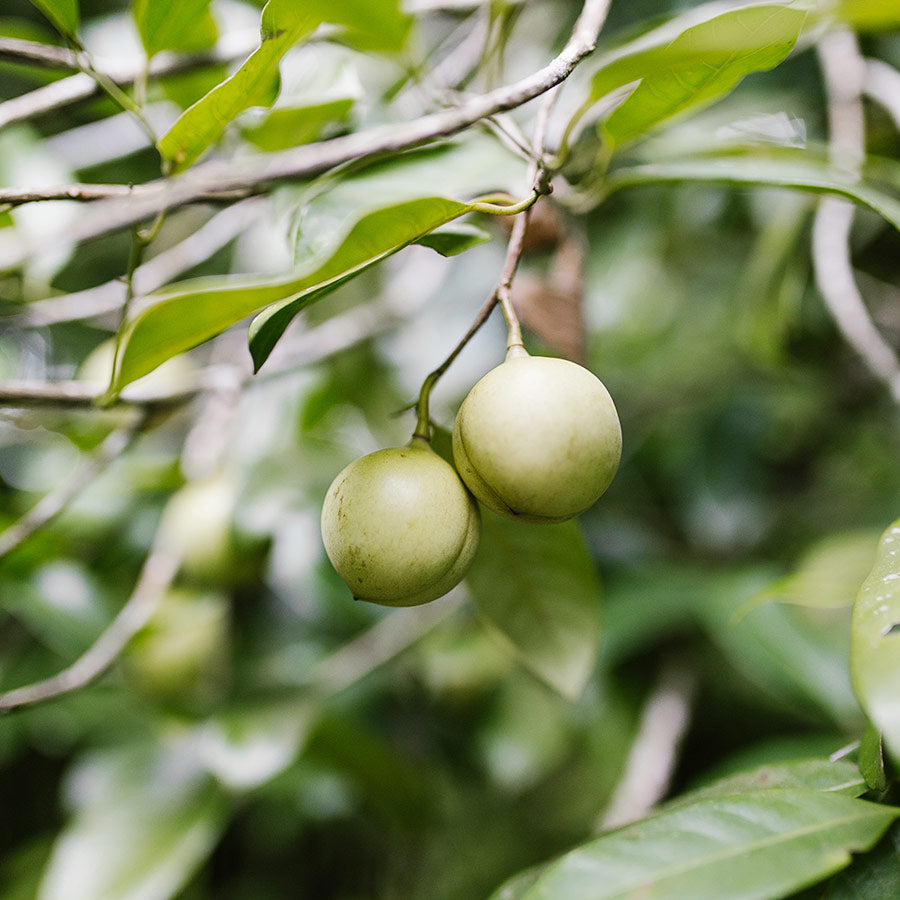
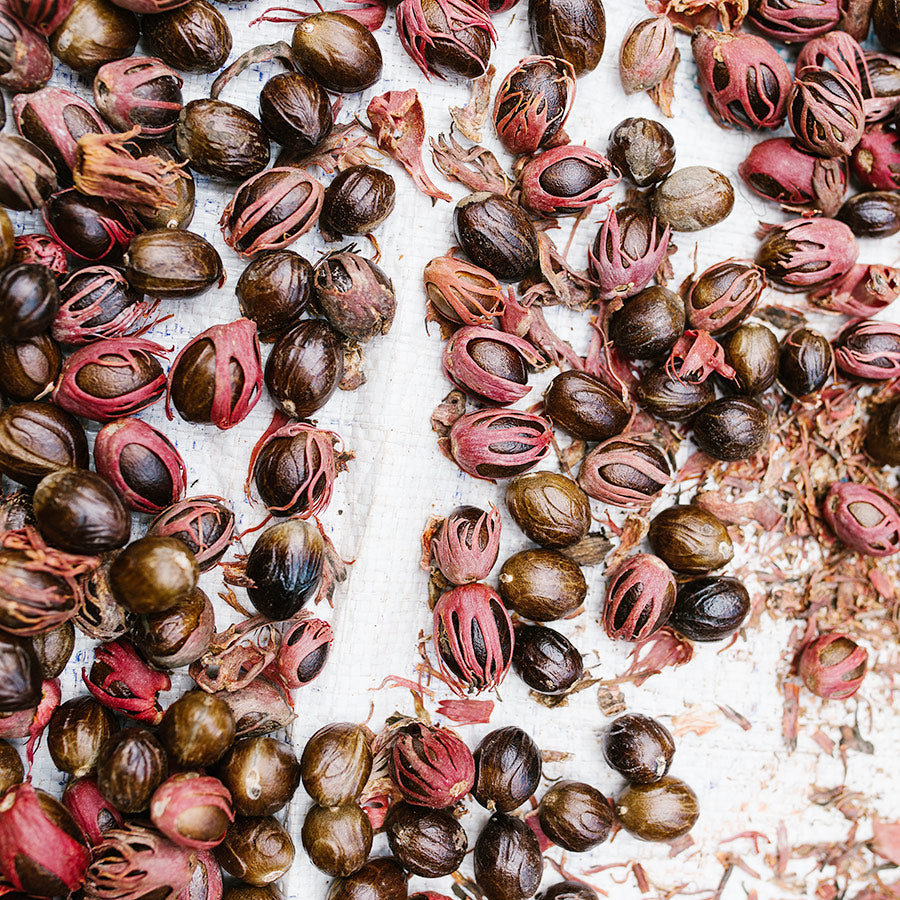
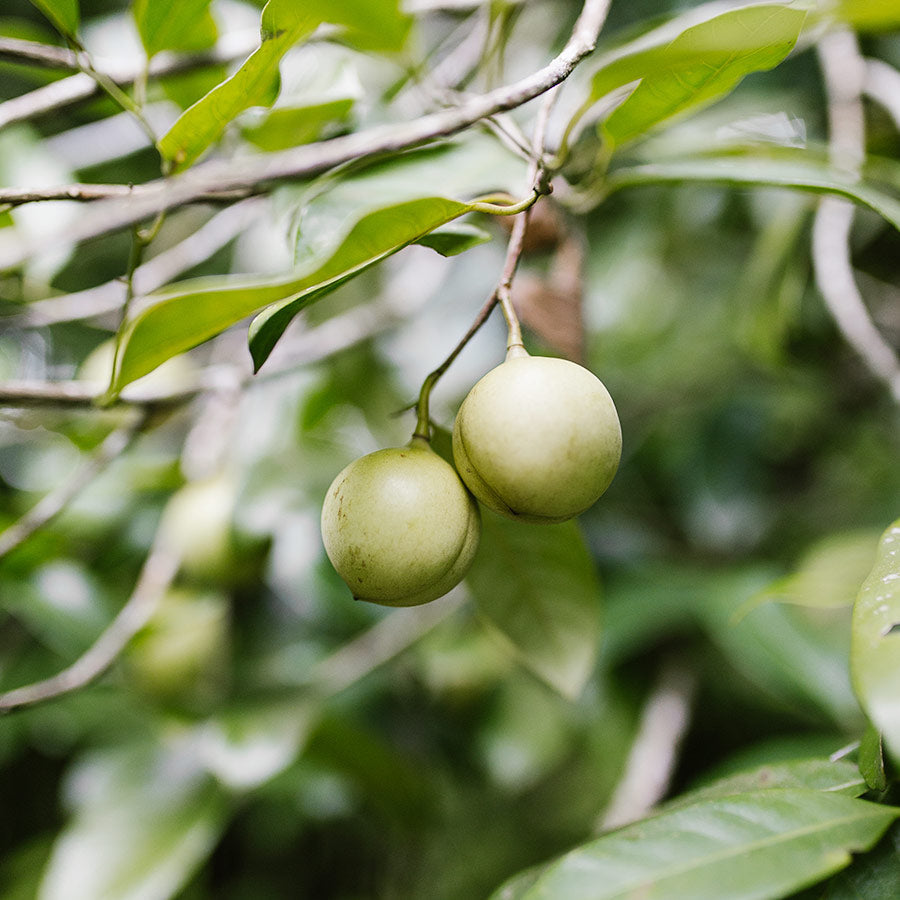
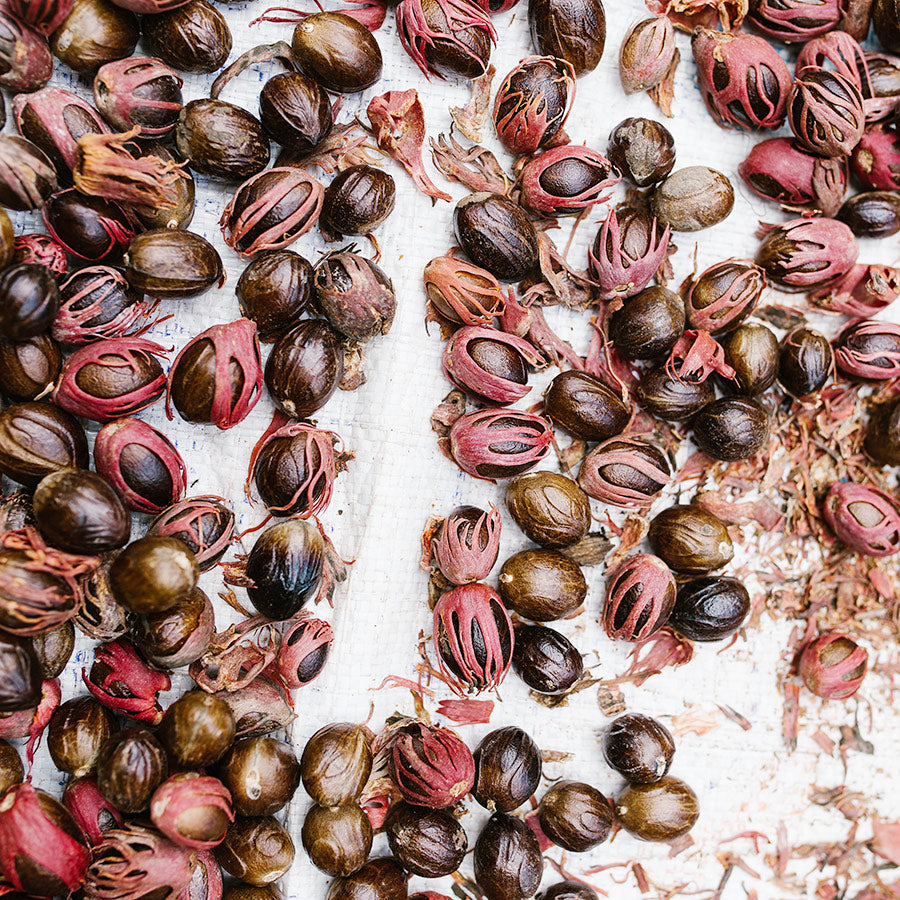
- Nutmeg: It is better suited to a grater, as even whole pieces are laborious to crush in a mortar.
- Whole cinnamon sticks: It makes more sense to break these down in a grinder.
Fresh, moist or very oily ingredients
Here are some ingredients you shouldn't grind in a mortar:
- Fresh ginger and garlic: These can quickly turn mushy and are better processed in a blender.
- Very oily seeds: Sesame tends to clump, so coarse crushing makes more sense here.
When other tools make more sense
For certain spices and purposes, other tools are better suited:
- Grater: Preferably used for nutmeg and cinnamon.
- Grinder: For regular use, e.g. with pepper.
- Blender or chopper: For larger quantities of moist blends and pastes.
Basic technique: how to grind spices in a mortar properly
Preparing the spices
Before you start, prepare your spices well:
- Dry storage: Make sure your spices are stored dry and, if necessary, let them dry overnight before processing.
- Toasting: Briefly toasting them in a pan helps intensify the aromas.
- Let them cool: Let the spices cool completely to avoid condensation forming in the mortar.
The right amount in the mortar
The next step is filling the mortar:
- Less is more: Only fill the mortar to just above the bottom to ensure good freedom of movement.
- Several portions: Better to grind smaller amounts for the best results.
Holding the mortar and pestle
The right grip is crucial for success:
- Position it securely: The mortar should stand on a non-slip surface.
- Hold it relaxed: Hold the pestle firmly but in a relaxed way to protect your joints.
The grinding motion
The motion is the most important step:
- Press vertically: Start with vertical pressure to break open the first seeds.
- Circular movements: Then make circular movements to grind the seeds evenly.
- The longer you grind, the finer the result: It takes some time to reach the desired grain size, so be patient.
Coarsely crushed or finely ground – controlling the grain size
Control the grain size by adjusting your technique:
- Strong blows for coarse: A few strong blows are ideal for coarsely crushed spices.
- Longer pressure for fine: Even circling produces a fine powder.
Typical mistakes and how to avoid them
Here are some mistakes to avoid:
- Too much at once: Be careful not to process too many spices in the mortar at the same time.
- Grinding too long: Grinding for too long can impair the flavour and cause unwanted bitter notes.
Mortar types and choice of material for spices
The ideal spice mortar
A good spice mortar should have the following features:
- Deep and stable: This ensures the spices don't slip while you grind.
- Rough inner surface: A rough surface for better grinding of the spices.
Materials at a glance
Different materials offer different advantages:
- Stone (e.g. granite, marble): Ideal for hard spices, robust and durable.
- Ceramic: Has a smooth surface and is well suited to smaller quantities.
- Wood: Pleasant to handle, but better suited to soft ingredients, as it can absorb odours.
Size and shape
The size of the mortar affects how it handles:
- Small mortars: For single spices or small blends.
- Large mortars: For larger quantities and pastes, ideal for curries and pestos.
Spice combinations and blends from the mortar
Classic spice blends for the mortar
Here are some popular blends:
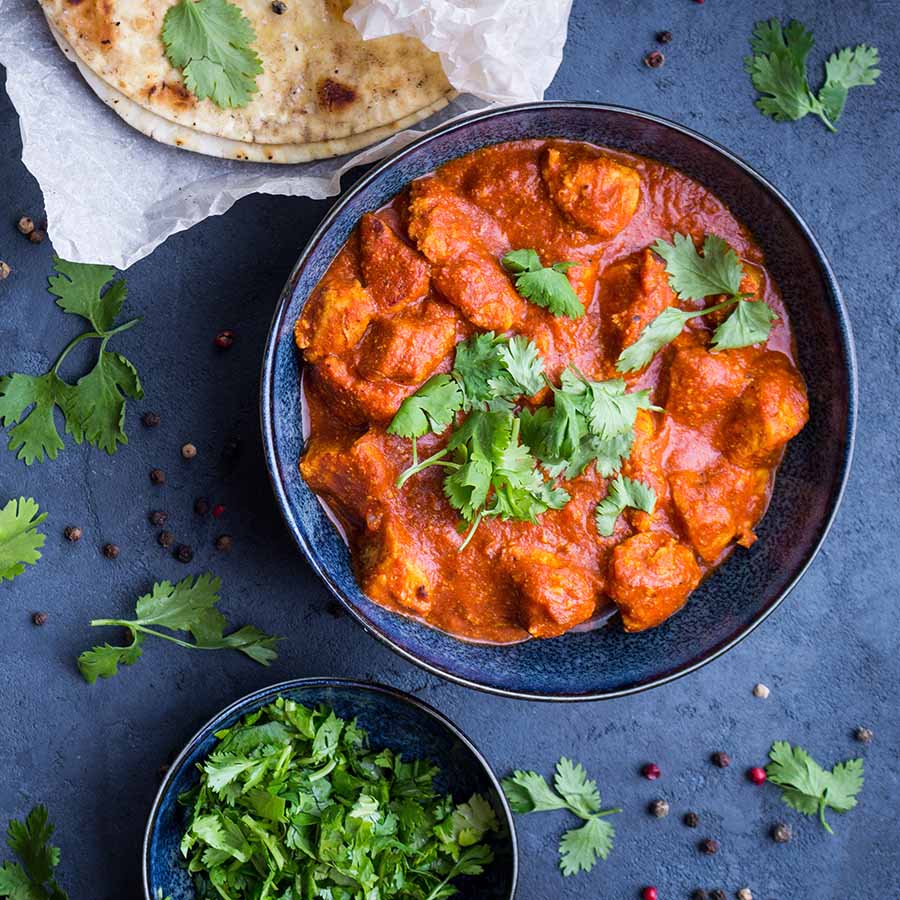
- Coriander, cumin, pepper: Ideal for Indian curries.
- Cardamom, cinnamon and clove: Perfect for sweet dishes.
Mortar recipes with herbs and spices
Some recipes worth getting the mortar out for:
- Basil-based seasoning paste: Ideal for pasta or bread.
- Sugar with lime zest and mint: For refreshing desserts.
Using mortar-ground spices in the kitchen
Mortar-ground spices are used in many dishes:
- Braised dishes, curries, soups: They bring deep flavour to your cooking.
- For rubs and marinades: Especially delicious with meat, fish or vegetables.
- In baked goods, desserts and drinks: Create intense taste experiences with your creative touch!
Spices, herbs and their forms at a glance
Leaves, flowers, seeds, fruits – what ends up in the mortar
- Leaves: Bay, marjoram, thyme, parsley.
- Flowers: Cloves, saffron, cinnamon buds.
- Seeds/fruits: Pepper, coriander, caraway, fennel.
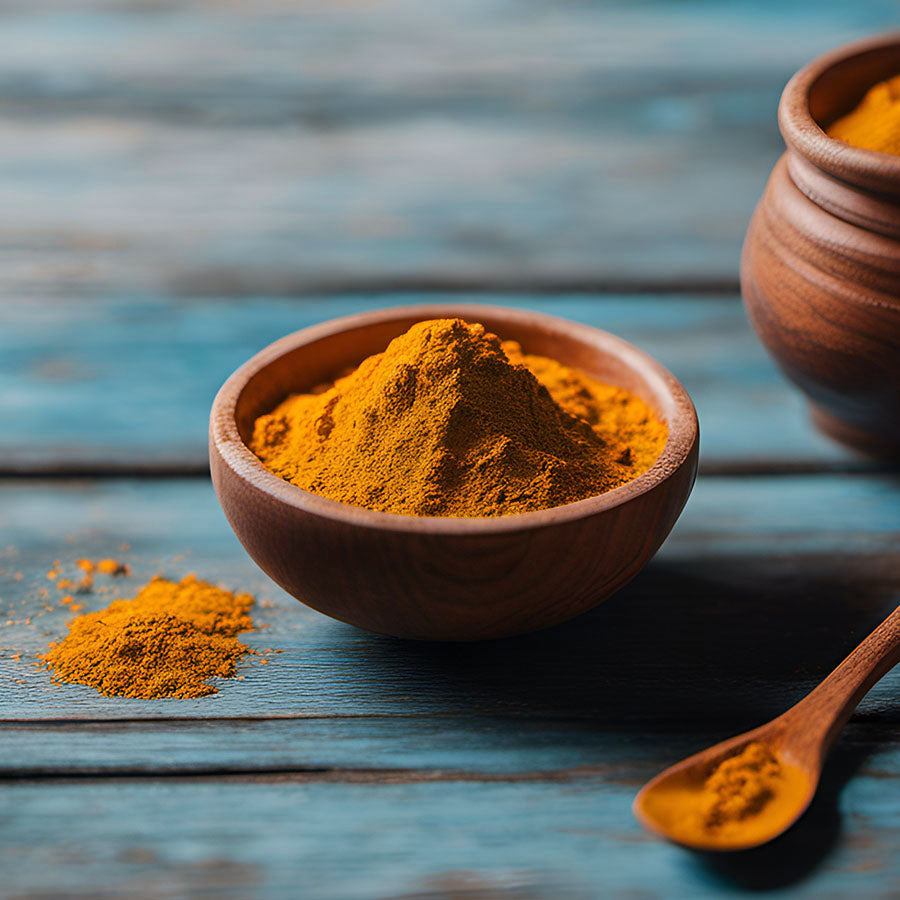
- Roots/barks: Ginger, cinnamon, turmeric.
FAQ on spices for the mortar
What are the best spices to grind in a mortar?
Some of the best spices are whole peppercorns, coriander seeds, cumin and fennel seeds. These spices release an intense aroma when ground and enrich your dishes.
How do I grind spices in a mortar properly?
Start with fresh, dry spices, don't overfill the mortar and use a circular motion with pressure. Be careful not to work the spices for too long to avoid bitter notes.
Which spices shouldn't be processed in a mortar?
Very hard spices such as nutmegs, whole cinnamon sticks or fresh, moist ingredients such as garlic and ginger are not suitable for the mortar.
How long do mortar-ground spices stay fresh?
It is always advisable to grind spices fresh, as they lose aroma quickly after grinding. Store ground spices in an airtight container in a cool, dark place.
What can I do with mortar-ground spices?
Mortar-ground spices are excellent for curries, marinades, dressings, baked goods and many other dishes that benefit from intense aroma.
Why are 1001 Organic spices special?
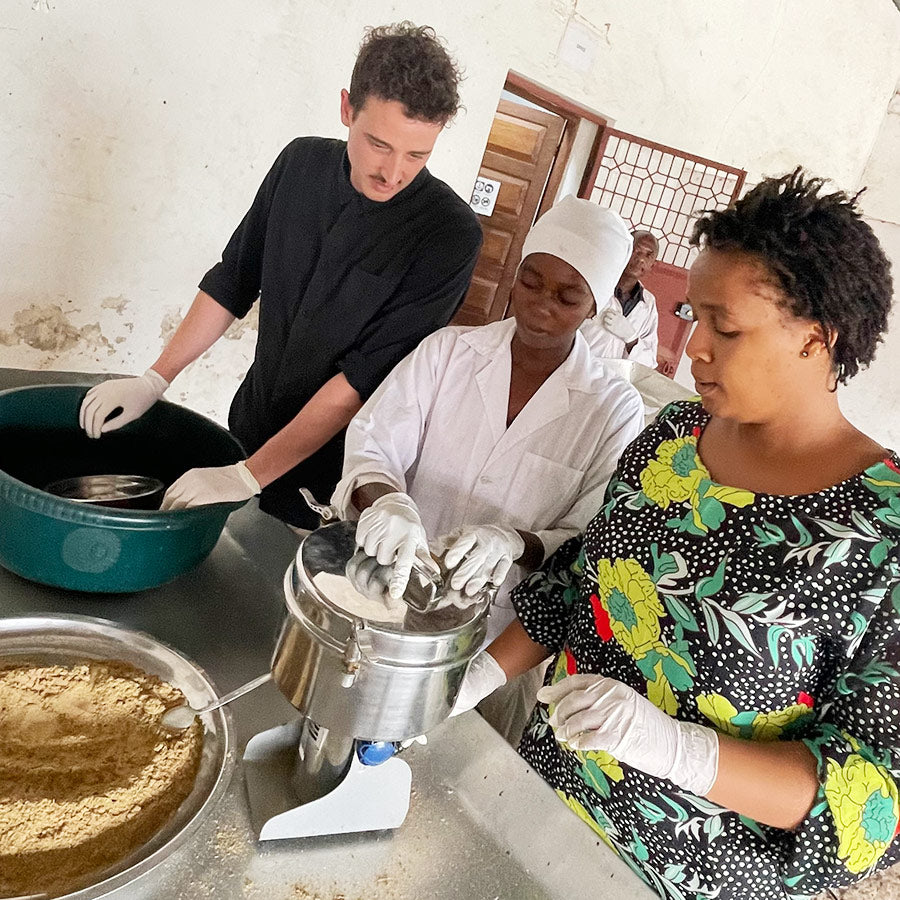
1001 Organic spices come directly from smallholder farmers in Zanzibar and are sustainably grown and processed. This approach guarantees freshness, quality and social impact, as the farmers receive fair prices and the local economy is supported.


Bestsellers




















Natural & Fair
• Sustainable farming practices
• Local communities
• Direct partnerships
• Effective value creation at the source of the spices
• Farm to Kitchen concept
• Protection of biodiversity
• Fair working conditions

