

9 products
























Spices from Zanzibar stand for freshness, quality and sustainable farming practices. We source our spices directly from smallholder farmers without middlemen, guaranteeing maximum freshness and authentic flavour. Whether you are a passionate cook or simply want to enrich your kitchen, spices from Zanzibar are the perfect choice.
Zanzibar, the spice island
Reputation and nickname
Zanzibar is known as the “Spice Island”, whose lush plantations and tropical climate make it a unique growing region for spices. Visitors are welcomed on arrival by a paradise of scents, aromas and colours that enchants the senses.
Climate and growing conditions
Zanzibar’s tropical climate, characterised by regular rainfall and fertile soils, offers ideal conditions for growing a wide variety of spices. The mix of coastal areas, forests and smallholder plots allows many spice plants to thrive side by side.
Historical development of the spice trade
Zanzibar has a long tradition as a hub for the spice trade in the Indian Ocean. Many spices were introduced by Arab and Persian traders during the period of Omani rule, making the island an important export centre for cloves and other high-quality spices.
Zanzibar in today’s tourism
Today, spices are a central part of the tourist experience on Zanzibar. Alongside beach holidays and diving adventures, many visitors take part in spice tours to discover the island’s culinary diversity.
The most important spices from Zanzibar
Cloves
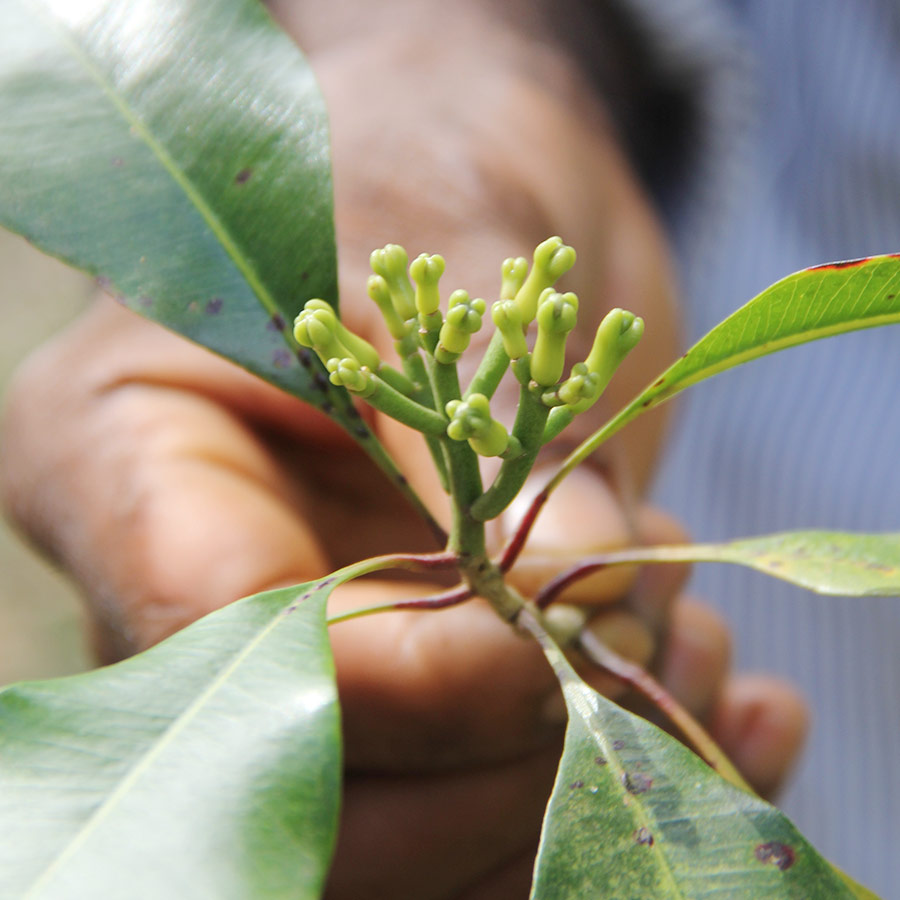
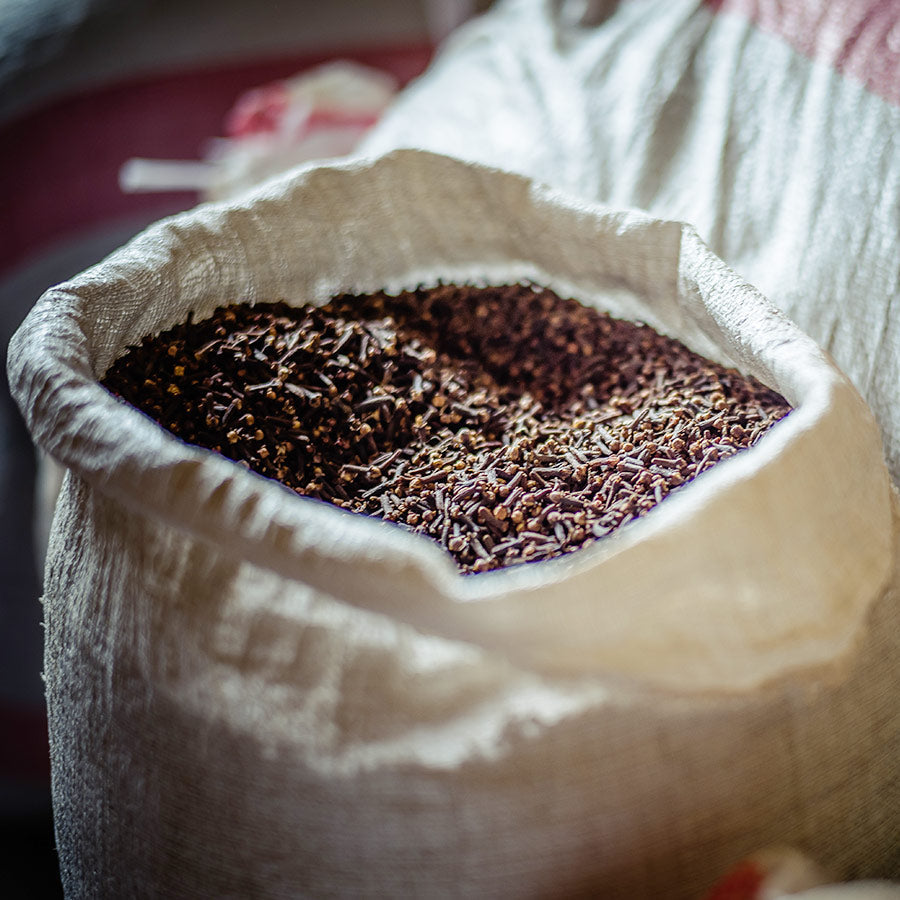
Zanzibar is one of the most important producers of cloves worldwide. They are used in numerous savoury dishes, rice dishes and stews, as well as in baked goods and hot drinks. The clove, also known as the “King of the Spices”, is central to the island’s reputation.
Black Pepper
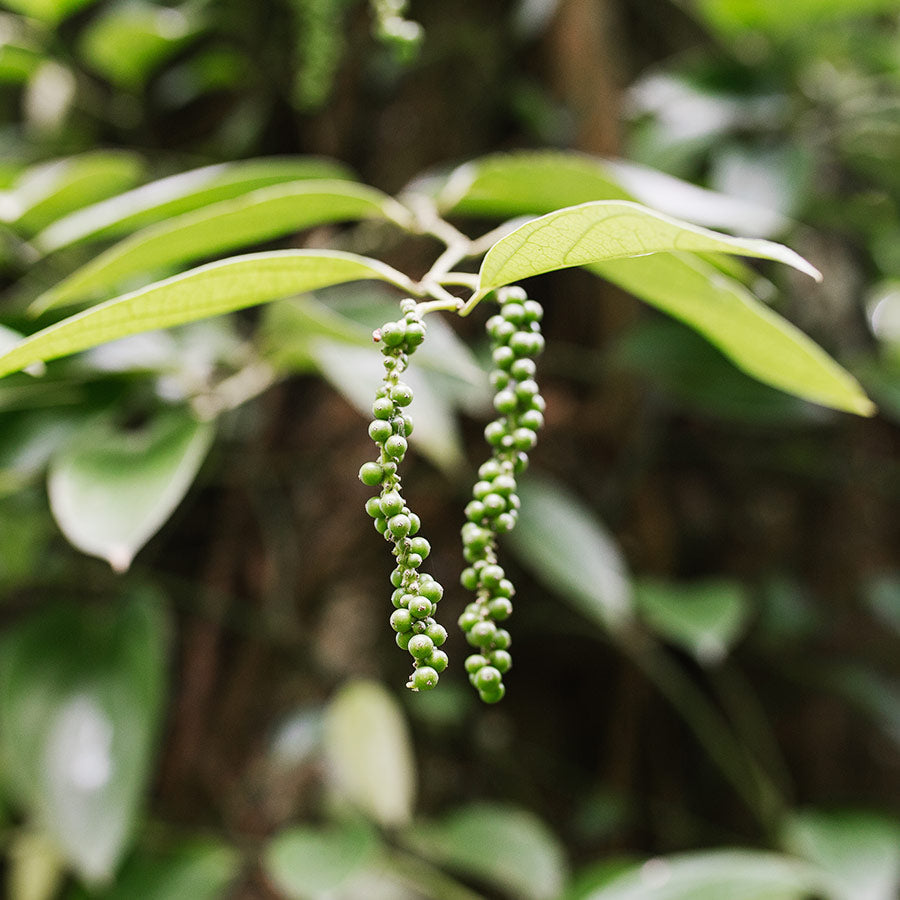
Black pepper is widely grown on Zanzibar. It is not only one of the island’s best-known spices, but is also frequently used in international and local recipes, for example in sauces, meat dishes and rice dishes.
Cinnamon
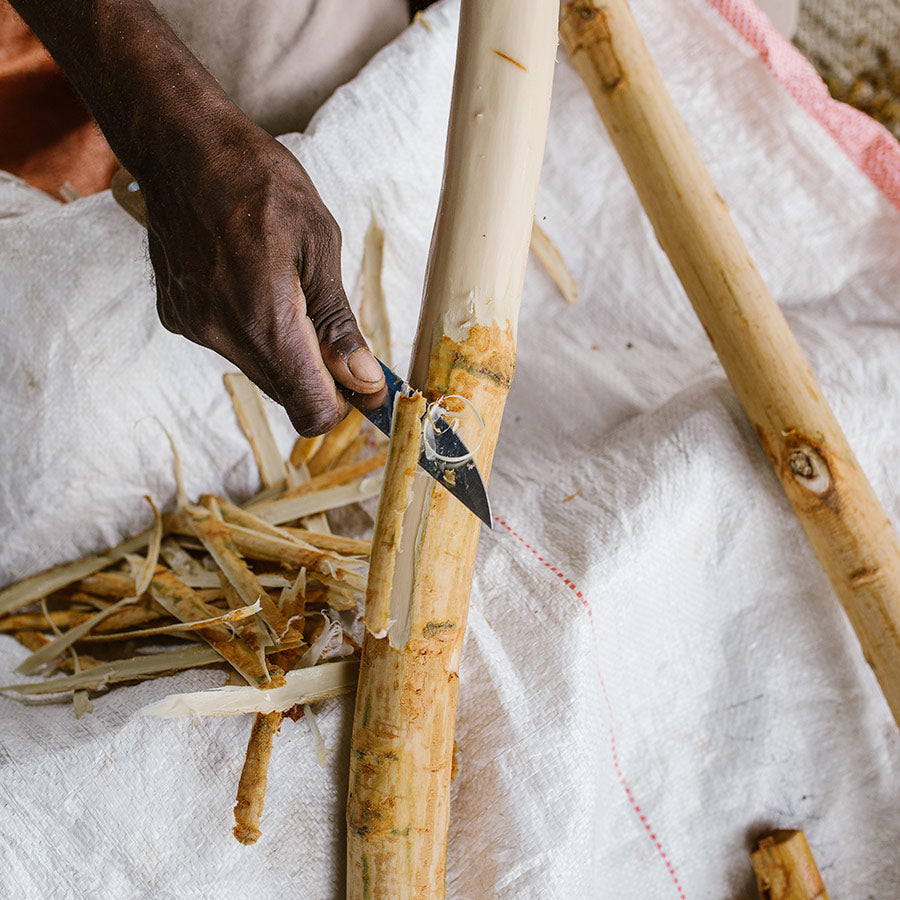
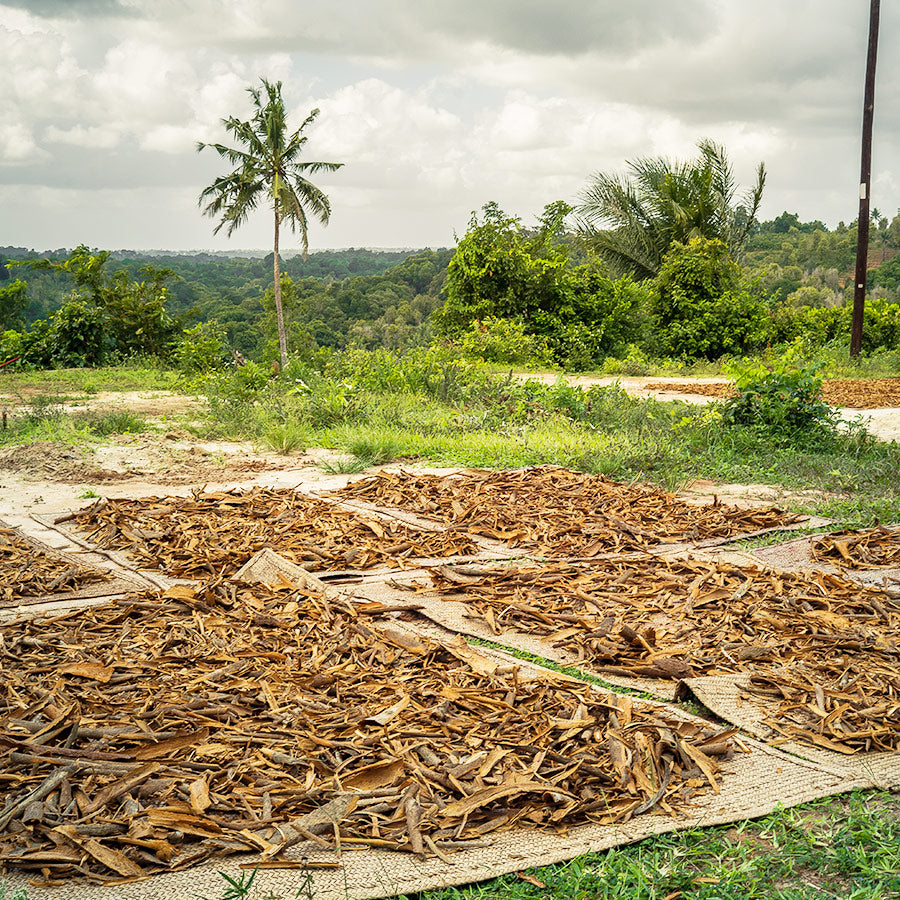
Cinnamon is obtained from the bark of the cinnamon tree. The dried bark finds its way into many rice dishes, desserts and dairy products and brings an aromatic note to any kitchen. Processing involves peeling the bark and then drying it.
Vanilla
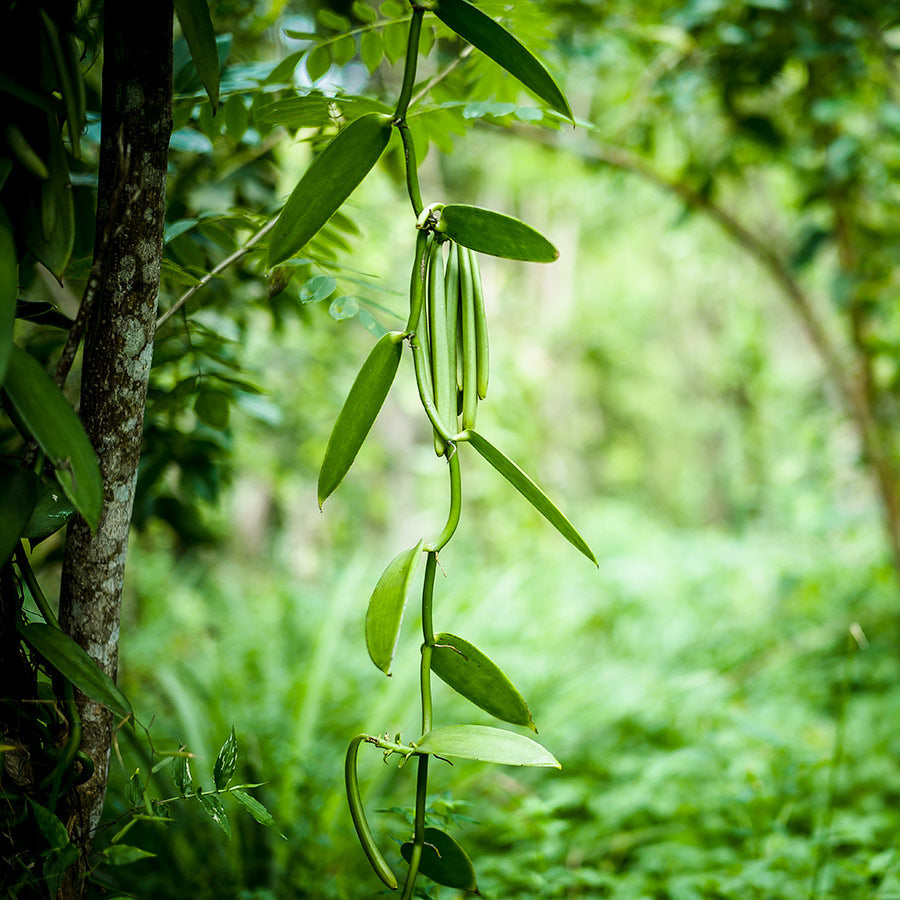
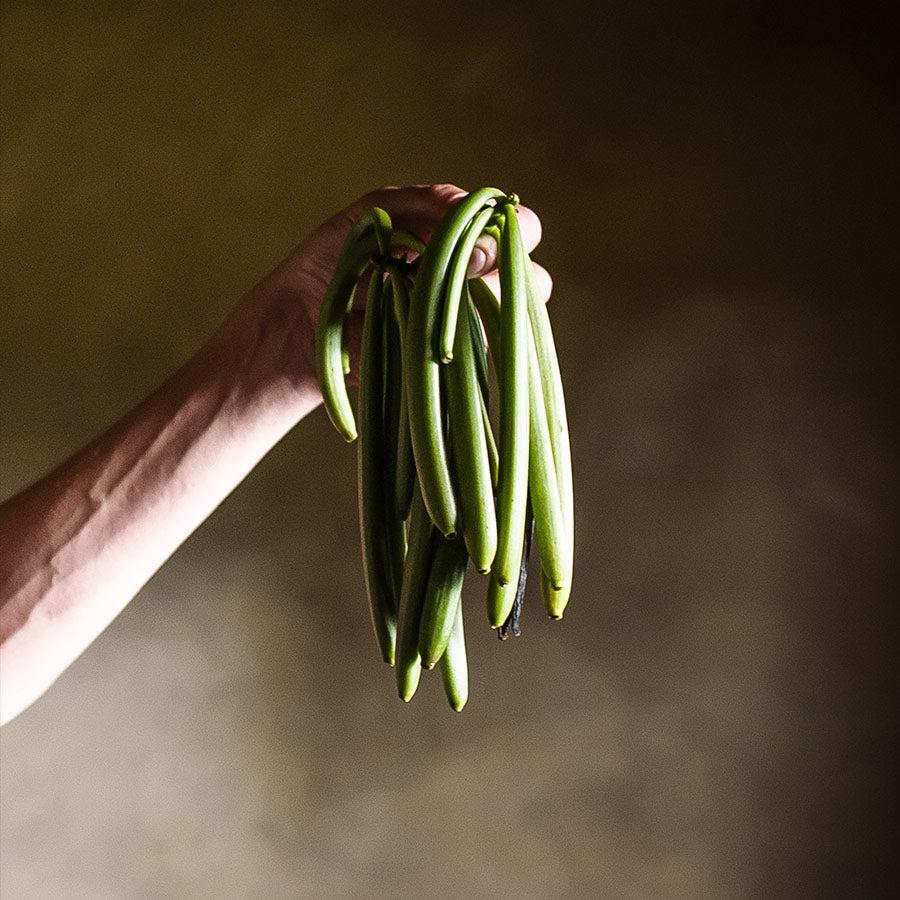
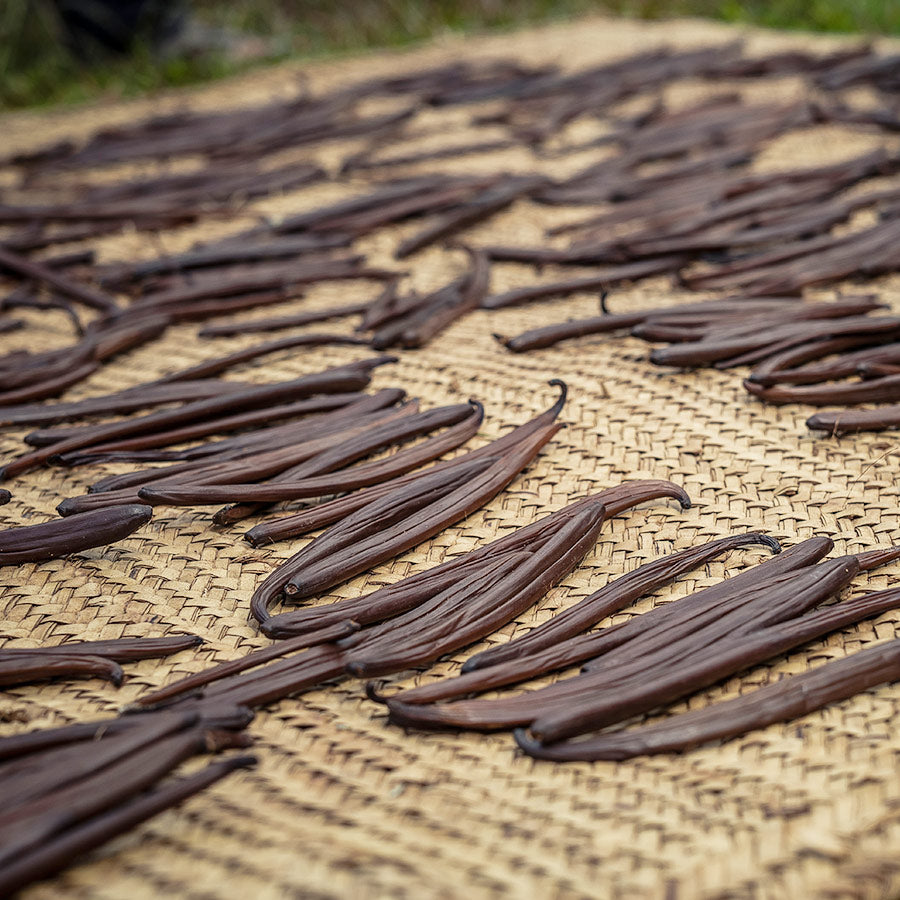
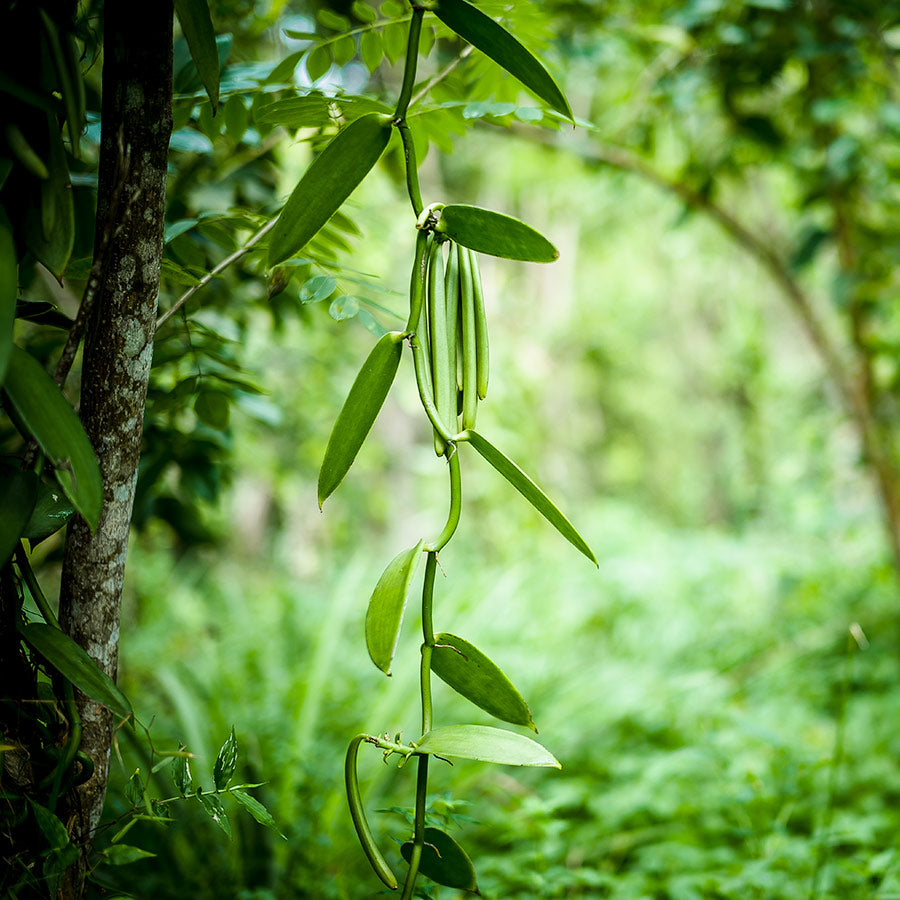
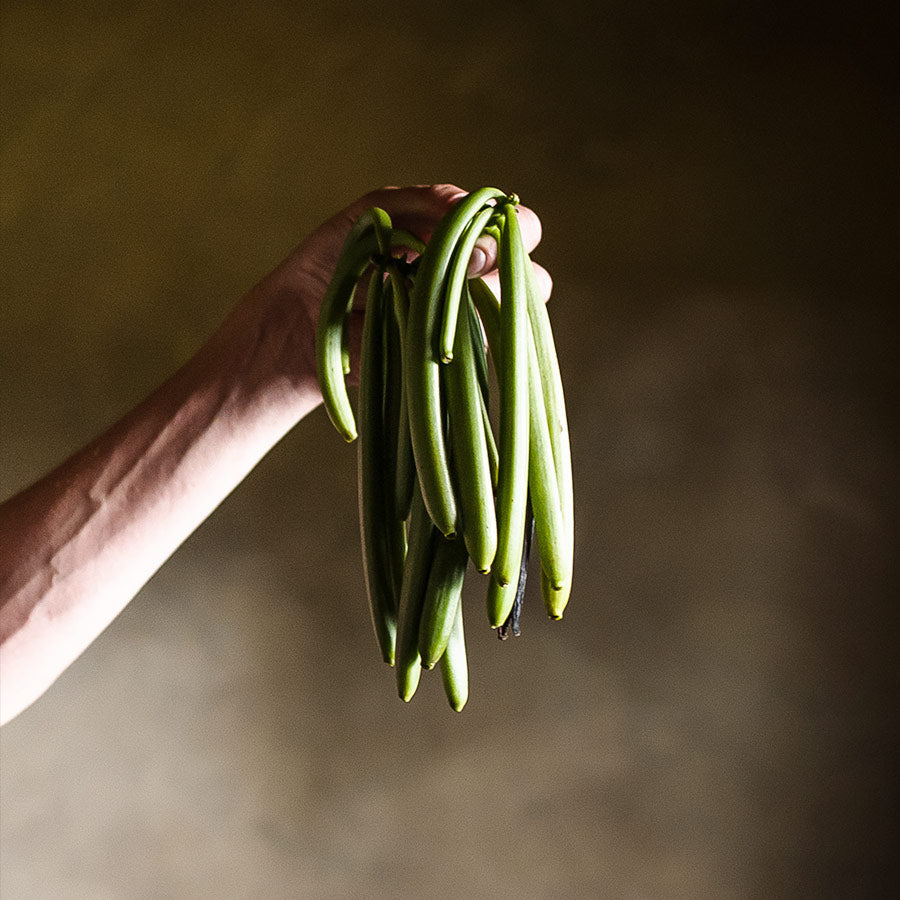
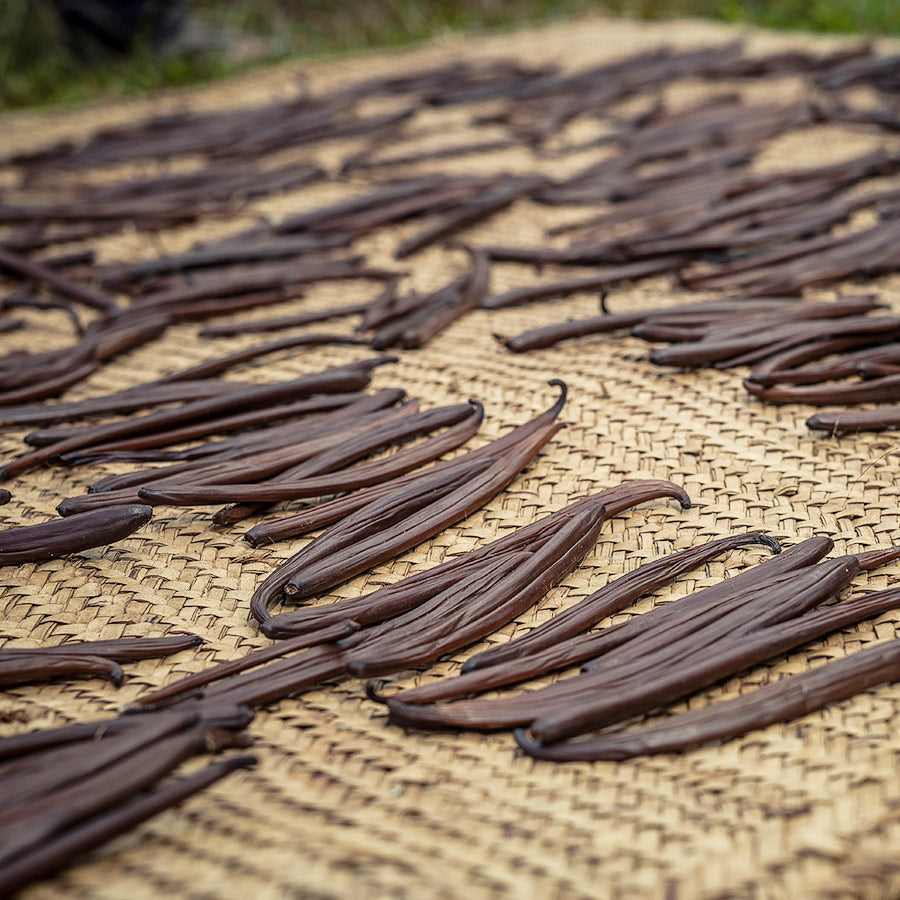
Vanilla, often called the “Queen of Spices”, is carefully cultivated on Zanzibar. It is mainly used in sweet dishes, but it also shines in savoury curries. Its labour-intensive pollination and harvest give vanilla a special status.
Nutmeg
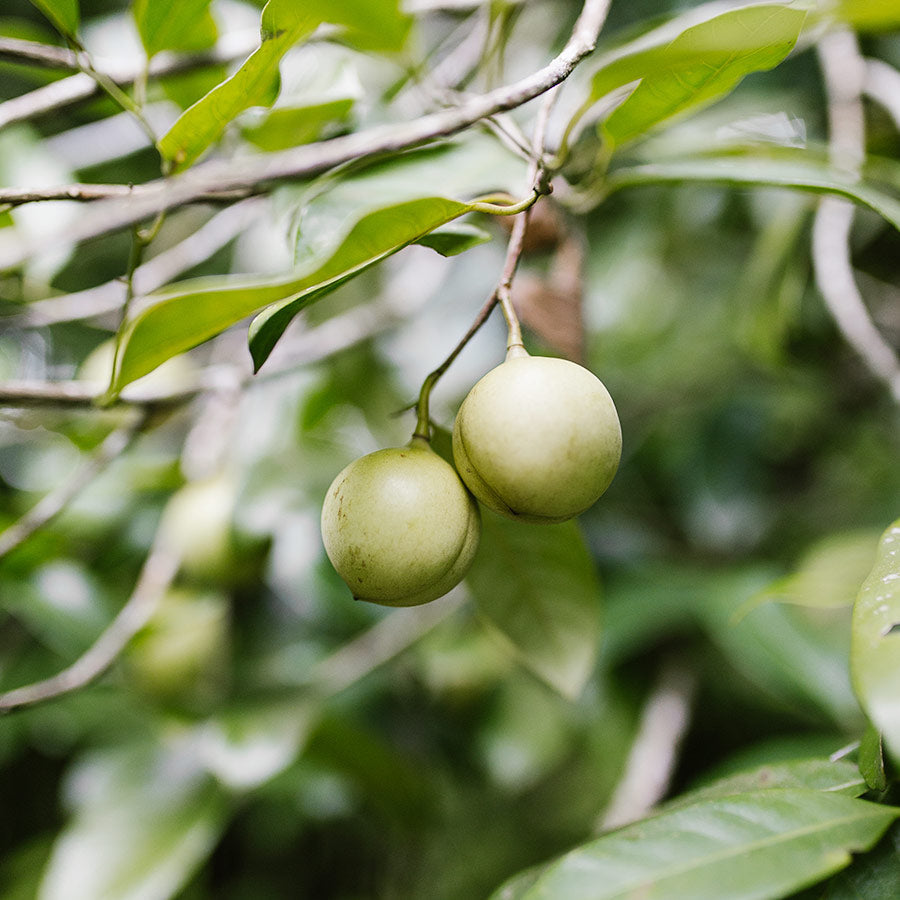
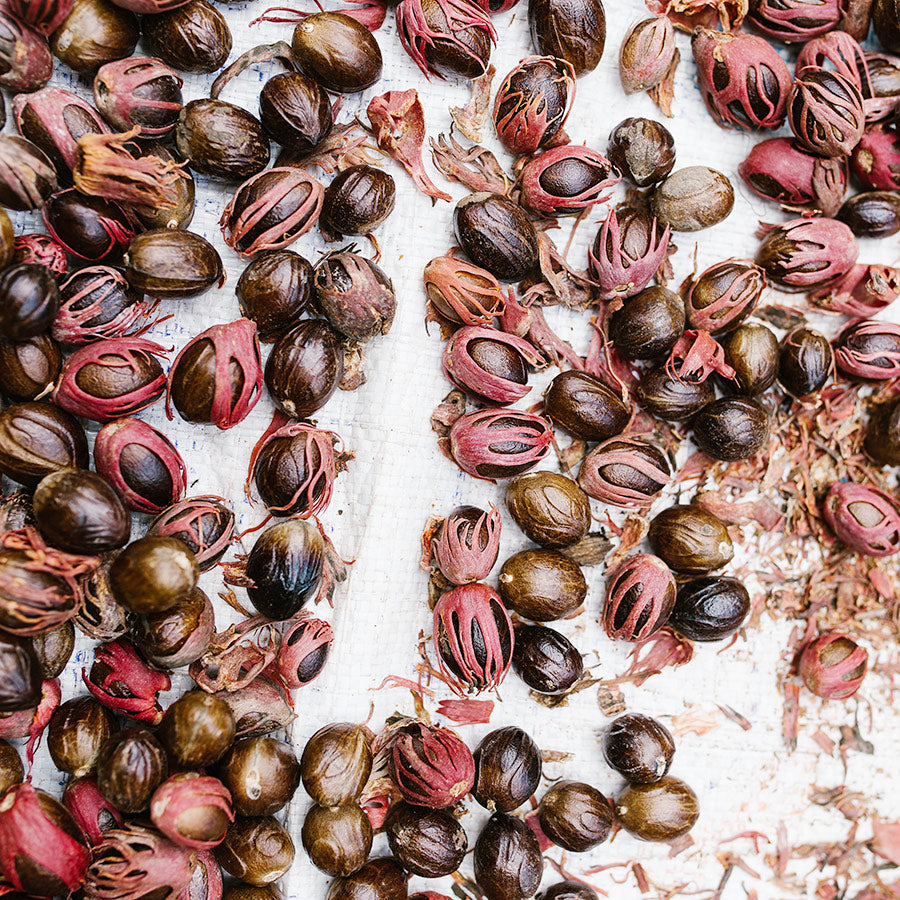
Nutmeg is cultivated in mixed-forest plots and goes perfectly with potato dishes and sauces. It is a particularly popular ingredient in warm drinks during the cooler season.
Cardamom
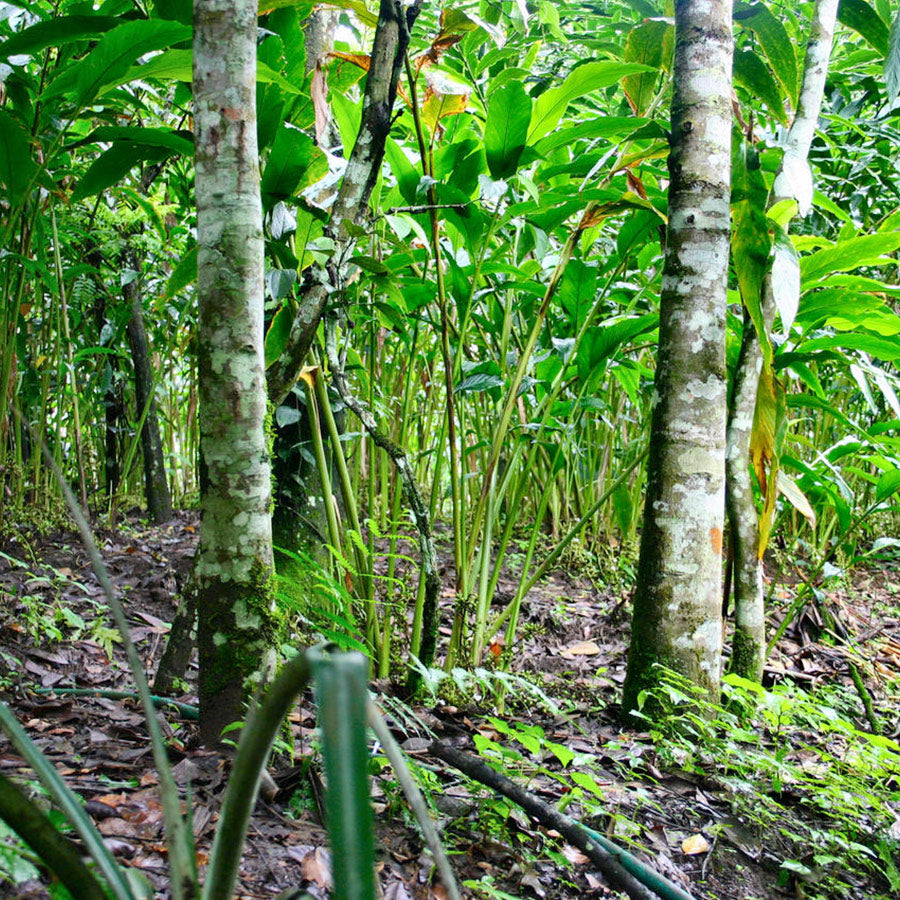
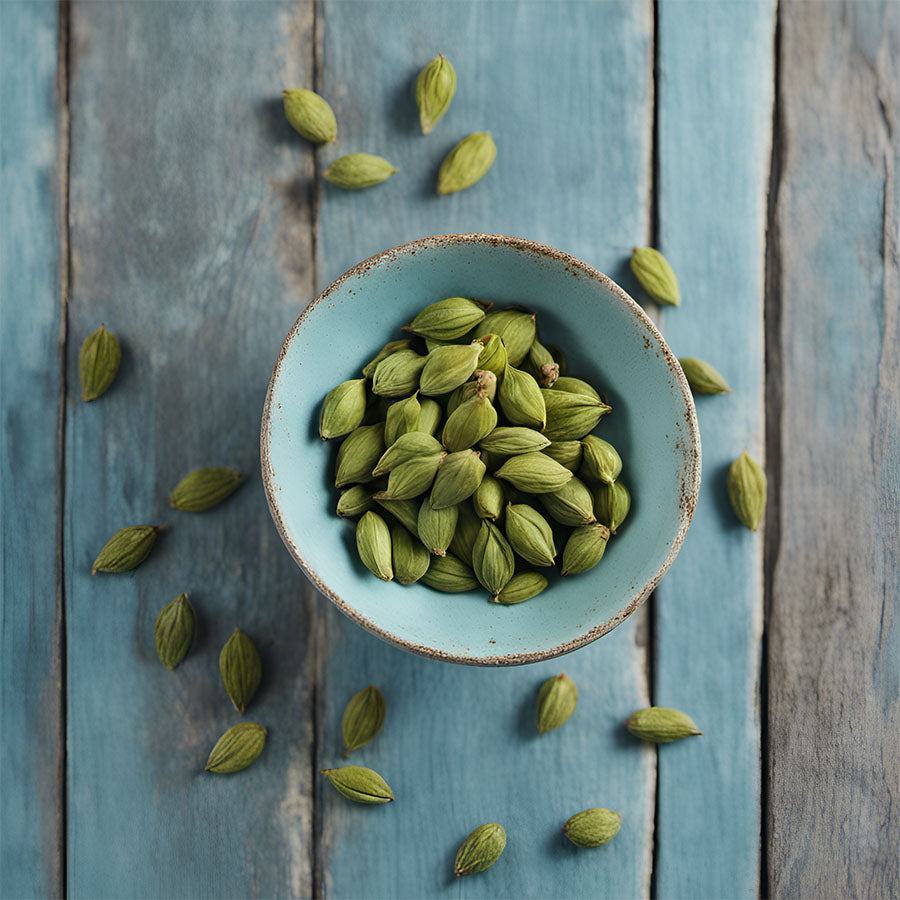
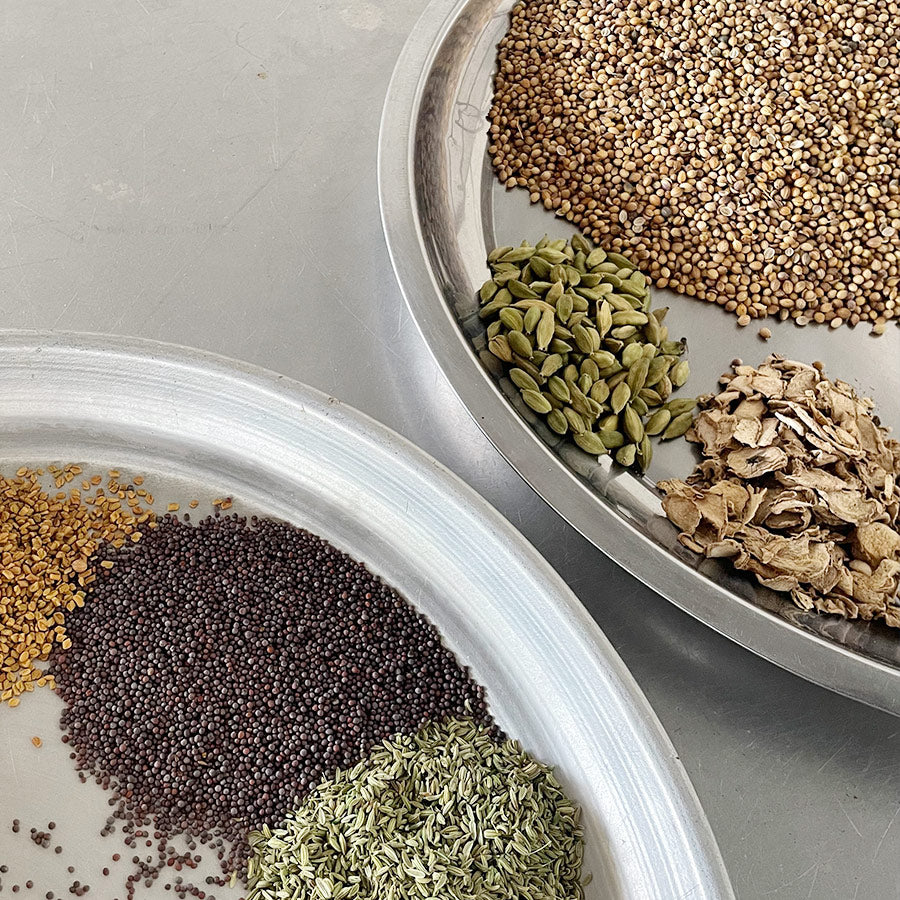
Cardamom has a sweetish, spicy, slightly hot taste and is found in many curry blends and sweet dishes. This aromatic spice is often grown in the shade of other plants.
Ginger
Ginger plays an essential role in Zanzibari cuisine and is used especially in curries, marinades and hot drinks. Its spicy aroma is invaluable to the culinary diversity of the region.
Turmeric
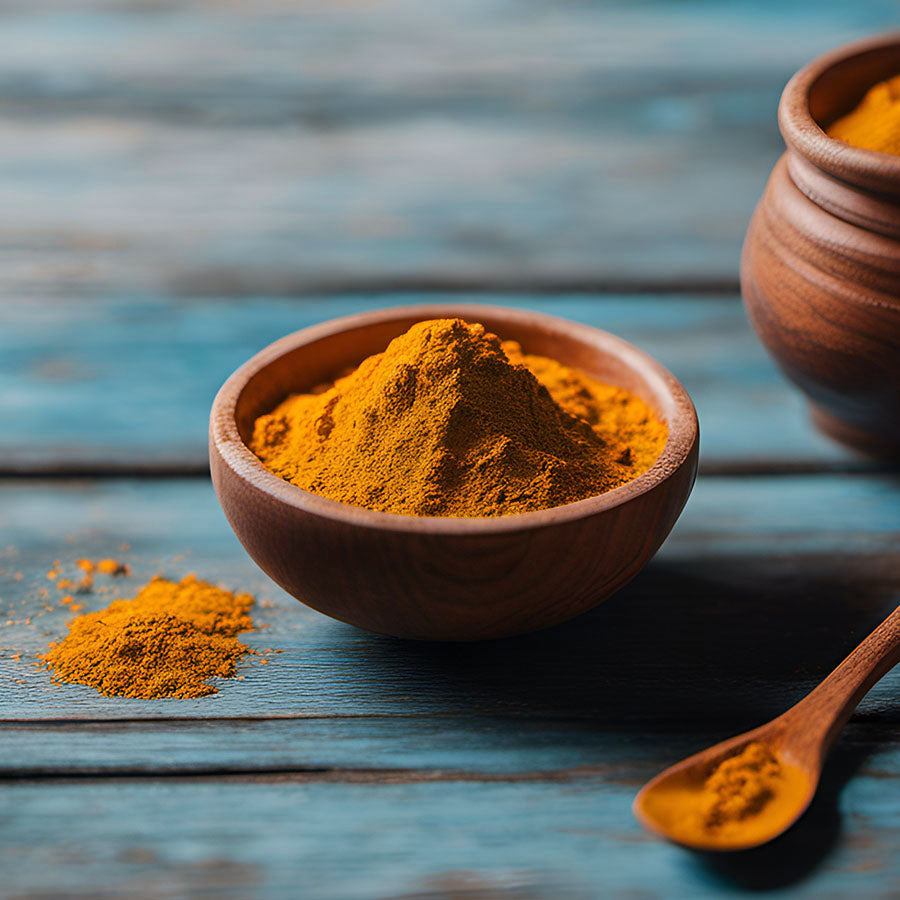
Turmeric, known for its bright yellow colour, is often used in curries, rice dishes and soups. The spice’s distinctive flavour contributes to the variety of dishes.
Tamarind
Tamarind adds a sweet and sour note used in curries and fruit sauces. It is an important ingredient in many traditional recipes on the island.
Coriander (herb and seeds)
Coriander is used both fresh and dried in many dishes and brings a fresh, slightly tart flavour to the kitchen.
Cumin
Cumin has an intense, earthy flavour and is often used in elaborate dishes such as falafel, curries and other traditional Zanzibari dishes.
Other frequently mentioned spices and plants
- Lemongrass: Ideal for curries and soups.
- Annatto (lipstick tree): Known as a natural colouring in many local dishes.
- Jackfruit: Used in savoury and sweet dishes.
Typical uses of the spices in the kitchen
Rice dishes and pilau
Pilau is a classic Zanzibari rice dish rich in spices such as cinnamon, cloves and cardamom. It accompanies fish, meat and vegetables.
Curries and stews
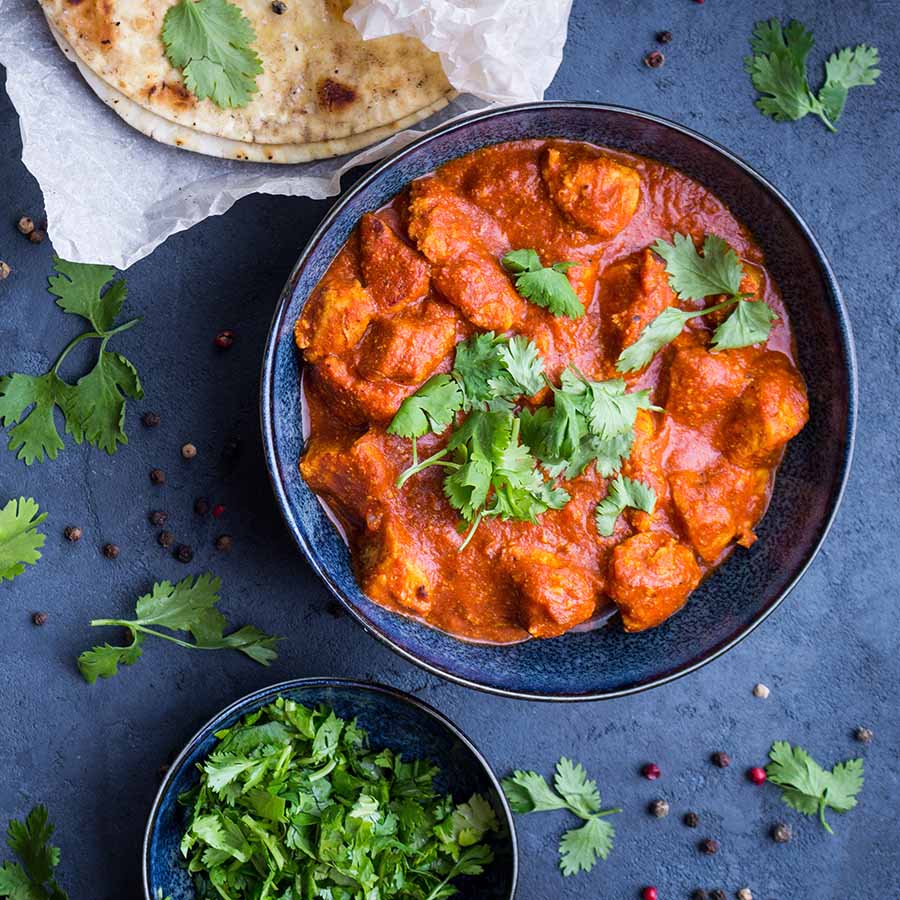
In traditional cuisine, curries combining vanilla, cardamom, turmeric and cumin are popular. These hearty dishes served with rice or bread are at the heart of Zanzibari food culture.
Baked goods and sweet dishes
Cinnamon, vanilla and nutmeg are used in many Zanzibari sweets. Spice blends give pastries, cakes and desserts a special flavour.
Drinks and hot beverages
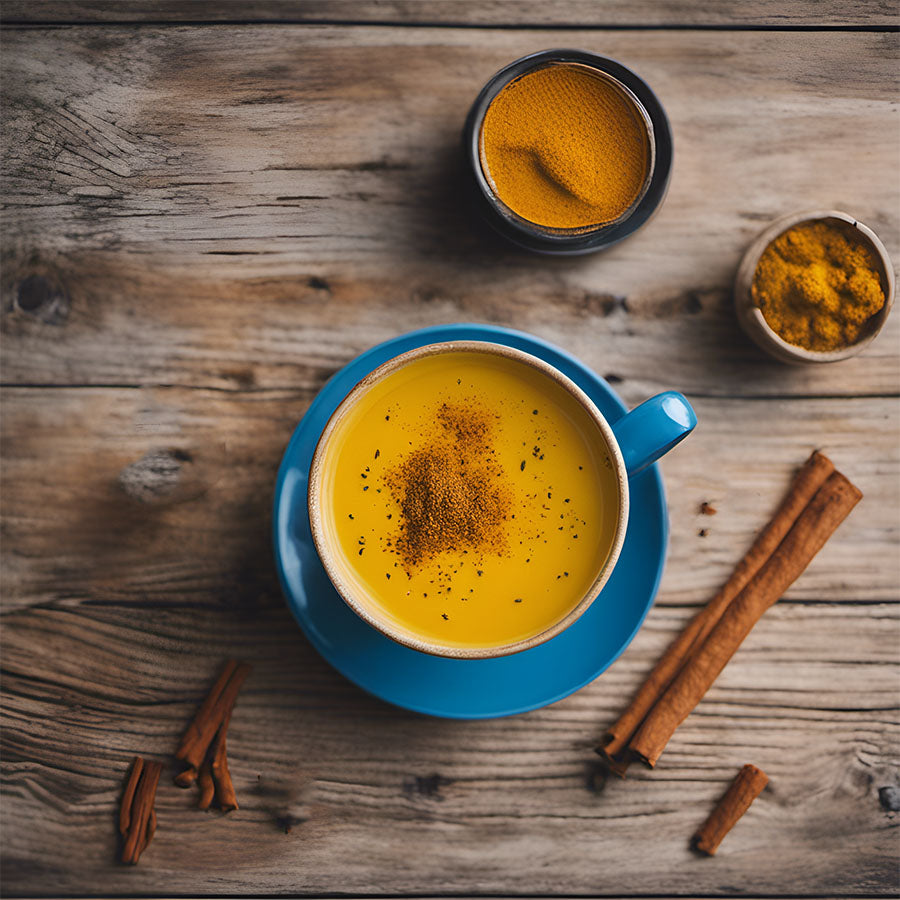
Spices such as cinnamon, ginger and cardamom are often found in teas and coffees. These traditional hot drinks are enriching both in taste and culturally.
Spice mixes and blends
Spice mixes and blends are an essential part of the local cuisine. They often contain combinations of cardamom, cumin, turmeric and other spices to create a wide range of dishes.
History and background of spice cultivation
The introduction of spices to Zanzibar
Many spices were brought to Zanzibar by traders in earlier centuries. These spices adapted perfectly to the island’s climate and conditions.
Omani rule and the clove boom
The rule of the Sultan of Oman marked a major turning point in the clove trade, which led to an economic boom for Zanzibar.
Colonial era and international trade
The expansion of export structures during the colonial era took spices from Zanzibar to new markets around the world. The links to global trade routes remained in place.
Current production and export
Spice cultivation remains closely linked to Zanzibar’s identity, and demand for the island’s unique spices remains unbroken.
Spice tours and experiences on Zanzibar
How a spice tour works
On spice tours, visitors can explore spice farms and plantations and are introduced to the plants and their many properties.
Senses and experiences
Participants can smell, touch and taste the different spices and learn a great deal about their origin and use.
Culinary experience
A spice tour often ends with a traditionally prepared dish using the spices just seen.
Tour operators and formats
A wide range of tour operators and resorts offer spice tours, giving visitors the opportunity to combine these unique culinary experiences.
Socio-economic aspects of spice cultivation
Importance for smallholder farmers and families
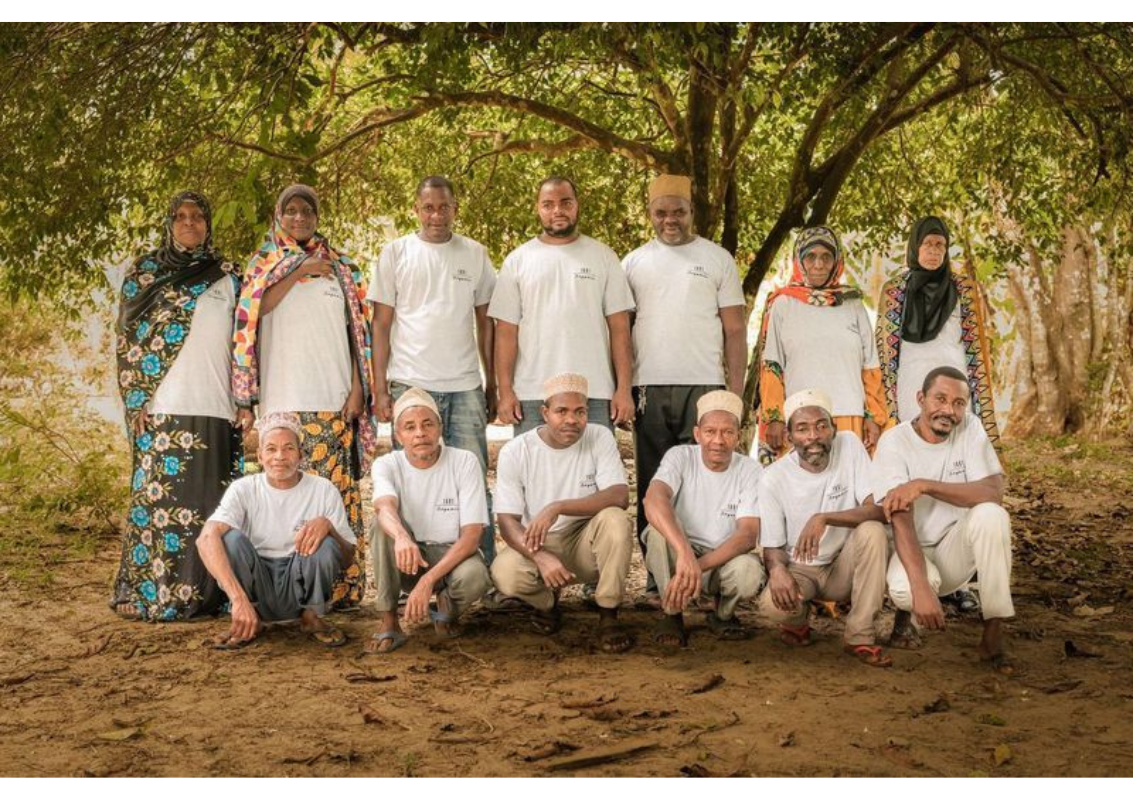
Spice cultivation not only provides smallholder farmers on Zanzibar with a source of income, but also strengthens the entire local community. Through direct partnerships with companies such as 1001 Organic, we support the families and improve their living conditions.
Sustainability and fairness
Sustainable farming practices such as agroforestry promote biodiversity. At the same time, fair pay enables farmers to lead better lives.
Conclusion: spices from Zanzibar and their importance for enjoyment and responsibility
Spices from Zanzibar are not only a treat for the palate, they also contribute to a positive social and ecological impact. With every purchase, we support smallholder farmers and their families and actively help improve their living conditions. Our spices stand for an authentic flavour that reflects the stories and the heart of the island. Choose spices from Zanzibar – for freshness, quality and a sustainable impact.
FAQ
What are the typical spices from Zanzibar?
Typical spices from Zanzibar include cloves, black pepper, cinnamon, vanilla, nutmeg, cardamom, ginger and many more, which are used in local cuisine and are known for their high quality.
How does buying spices from Zanzibar contribute to sustainability?
Through direct trade without middlemen, we ensure that the profits go directly to smallholder farmers. We promote sustainable farming practices and create local jobs, which strengthens the local economy.
What makes 1001 Organic spices special?
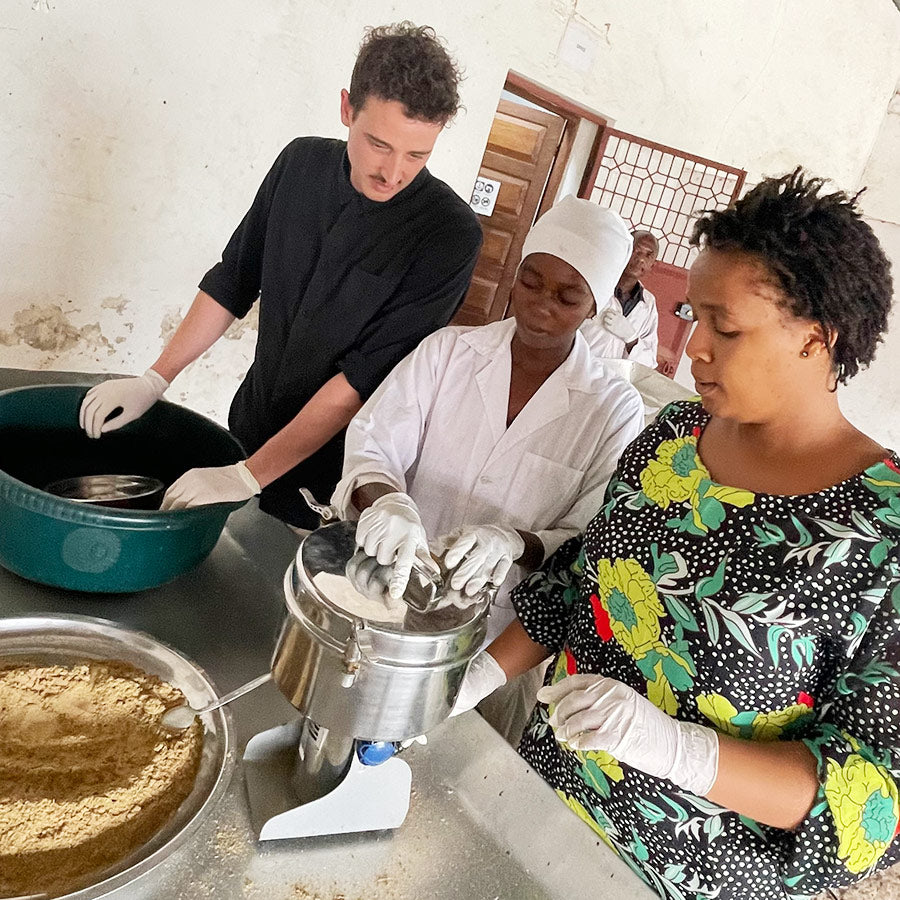
Our spices are fresh, natural and come directly from smallholder farmers on Zanzibar. By processing and packing them locally, we guarantee maximum freshness and quality. We also place great value on transparency and social commitment.
How are spices from Zanzibar processed?
The spices are harvested by hand in a gentle process, processed and dried in the sun. This tradition ensures not only the best flavour, but also the sustainable use of resources.
Are there special culinary uses for Zanzibar spices?
Yes, the spices are used in a variety of dishes, including rice dishes such as pilau, curries, sweets and hot drinks. Many visitors take part in spice tours to discover the culinary traditions.
How can I buy 1001 Organic spices?
You can buy 1001 Organic spices directly through our online shop. We offer a wide range of single spices, spice blends and gift sets, all fresh and directly from Zanzibar.
Matching recipes




Bestsellers






Natural & Fair
• Sustainable farming practices
• Local communities
• Direct partnerships
• Effective value creation at the source of the spices
• Farm to Kitchen concept
• Protection of biodiversity
• Fair working conditions

