








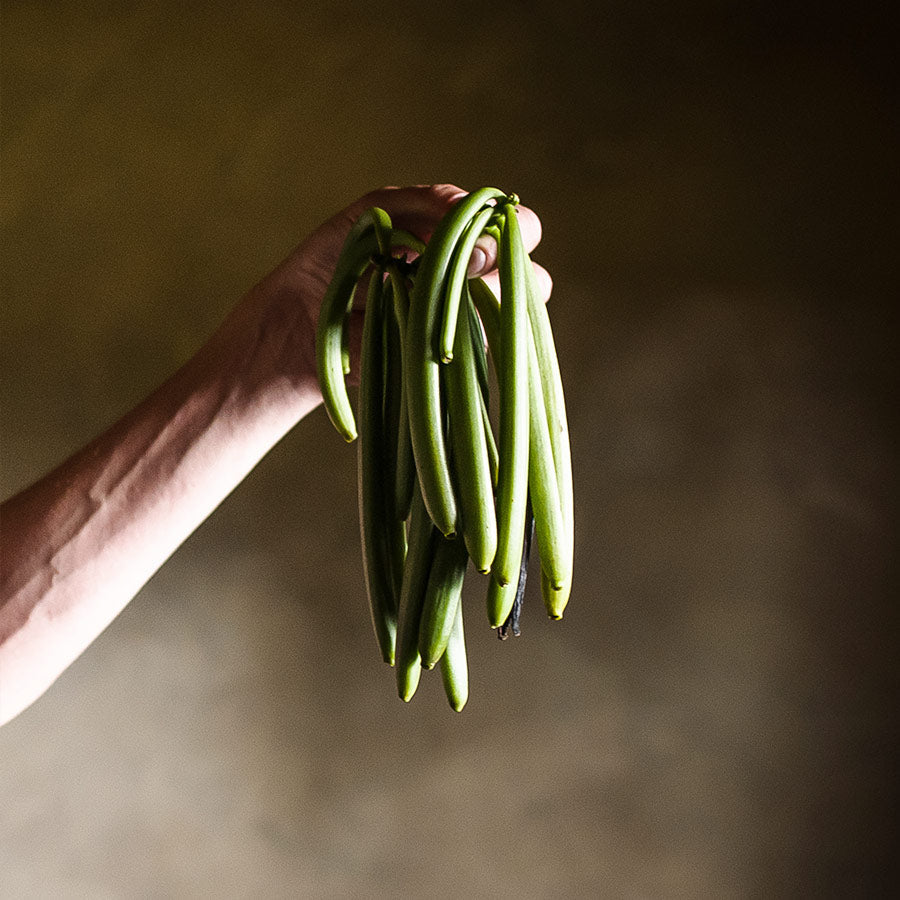
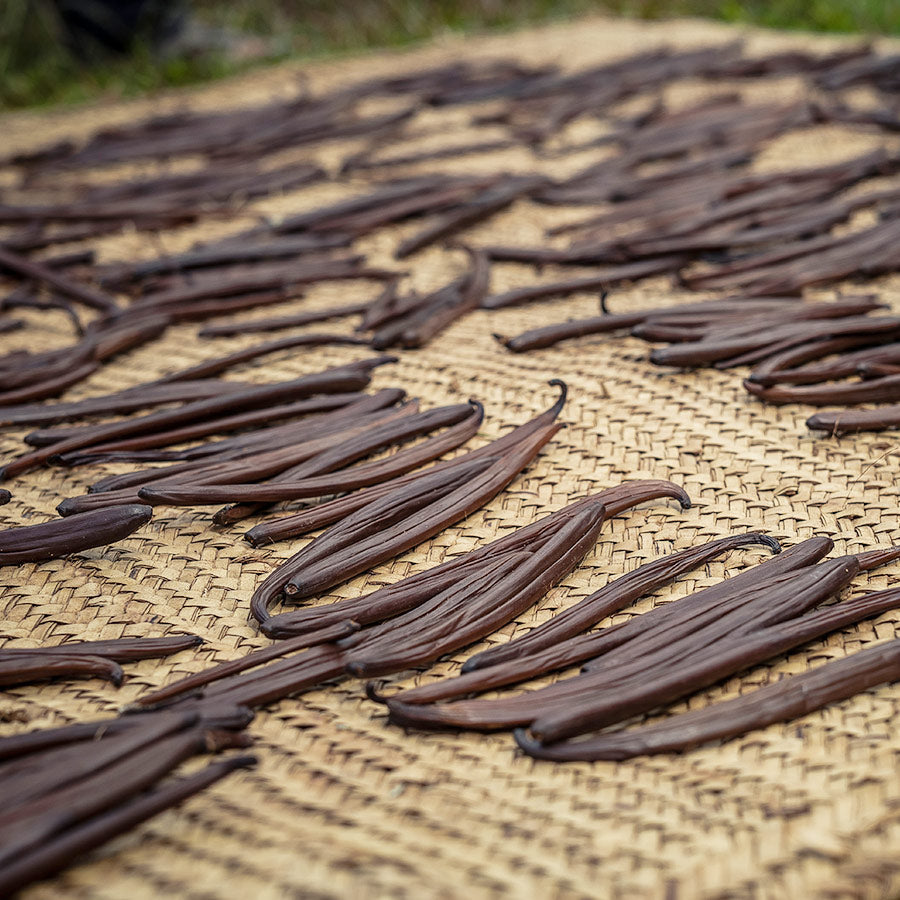
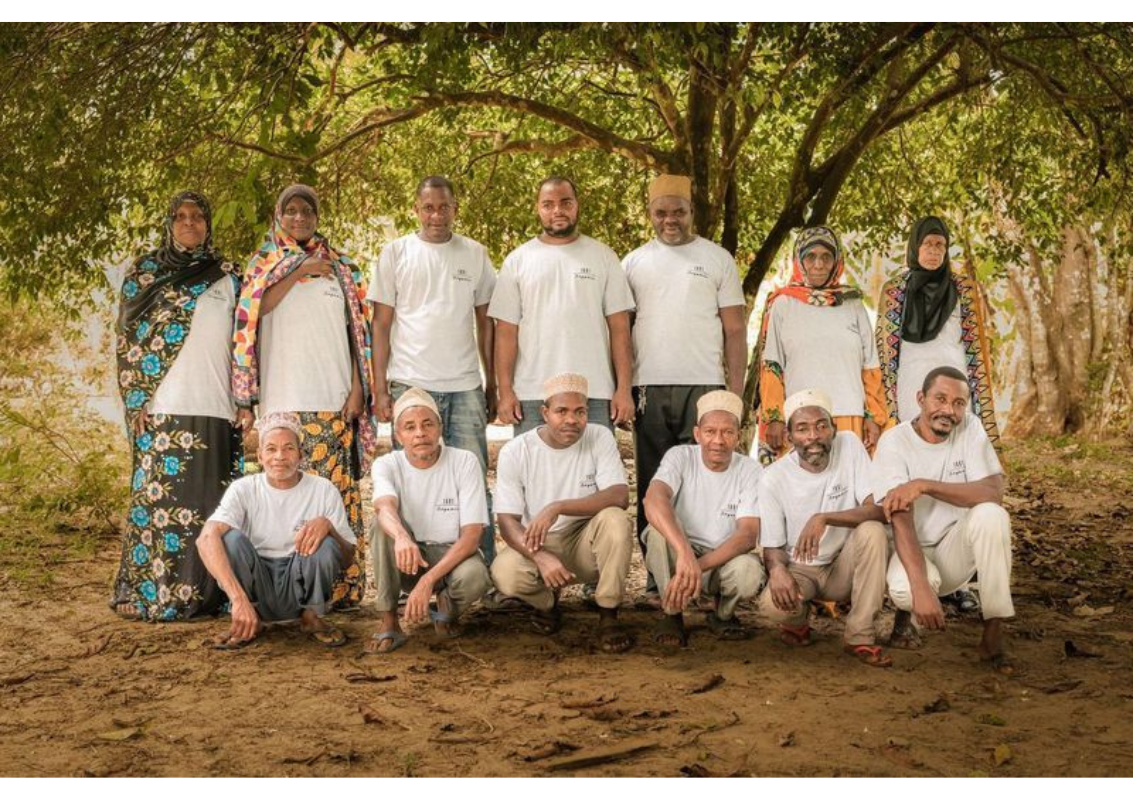
For many people, vanilla is the most sensual of all spices – warm, soft, sweetish and incredibly versatile. This first-class spice has a rich history and a unique origin, and is the result of sustainable farming practices that give smallholder farmers on Zanzibar a fair livelihood.
What is vanilla?
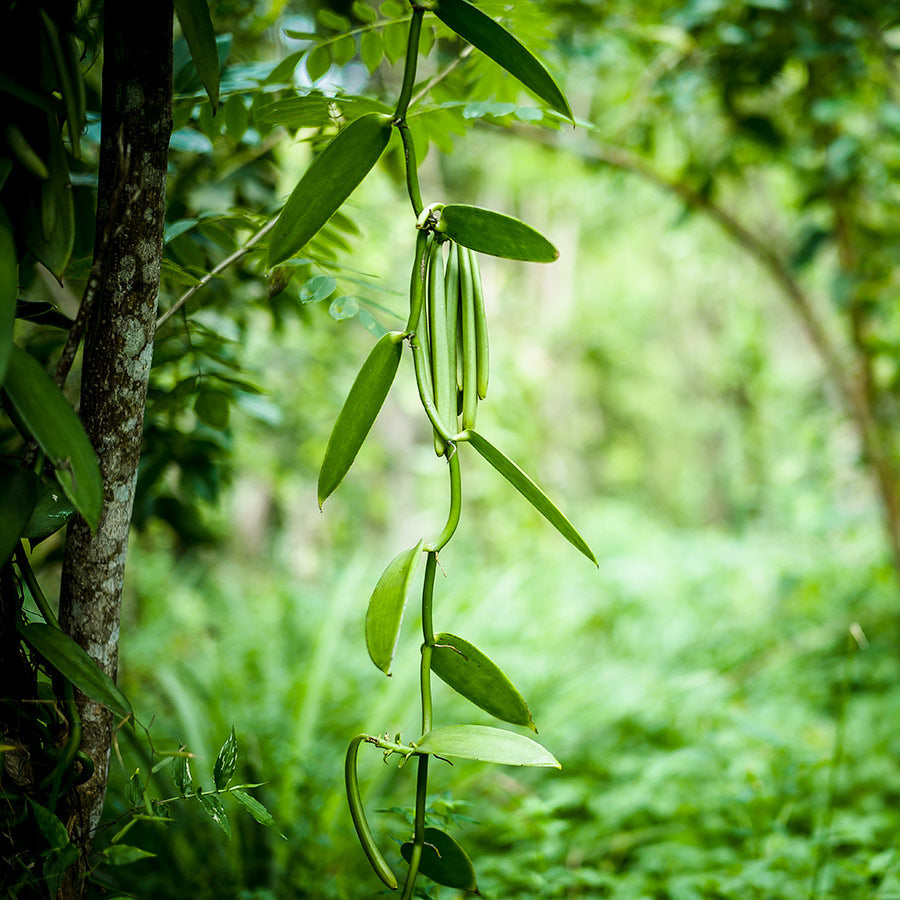
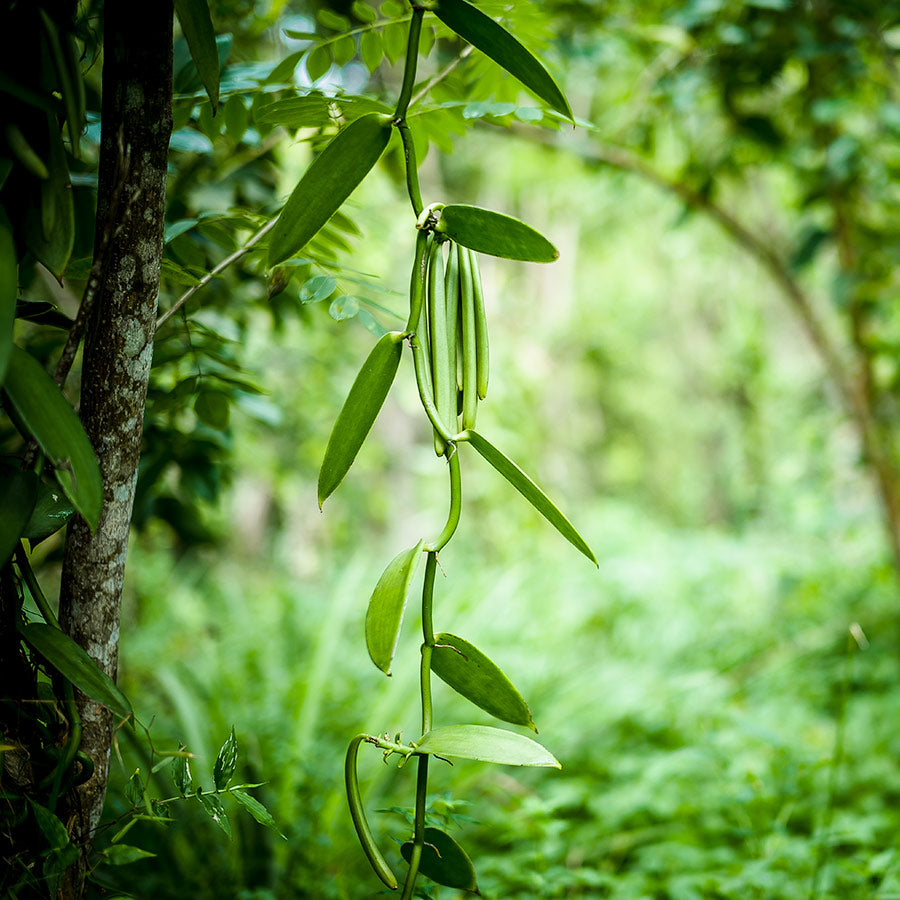
Origin and plant
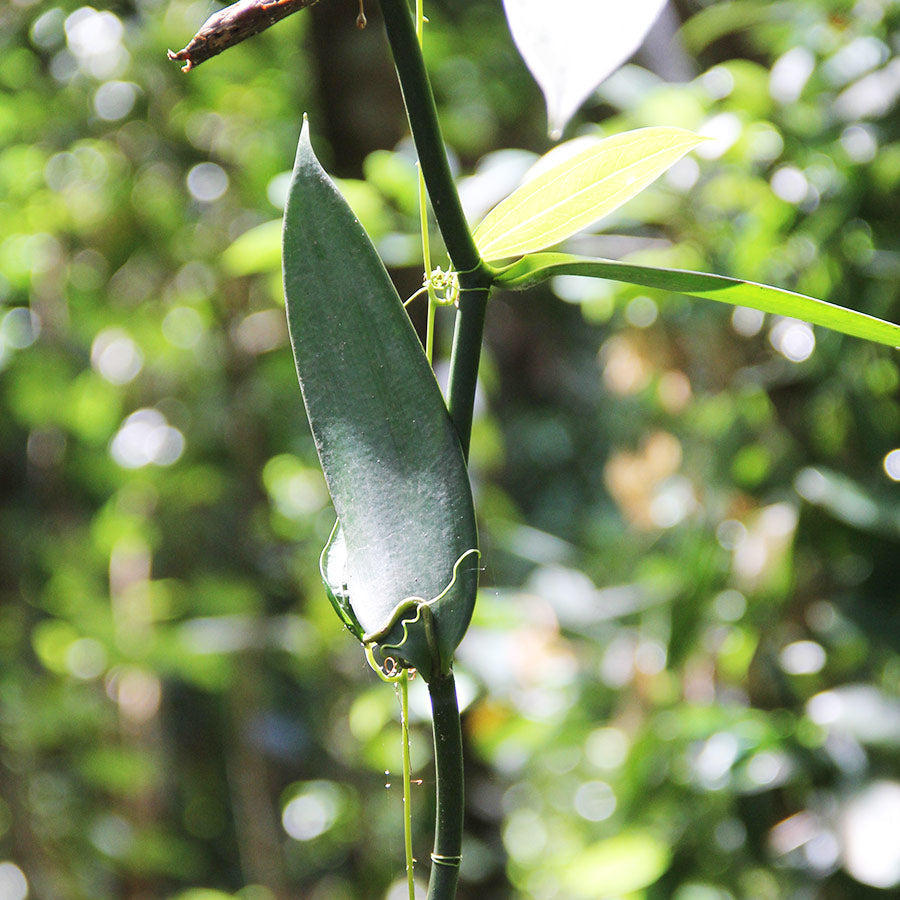
- The vanilla plant belongs to the orchid family and is known as a tropical climbing orchid.
- The crop produces capsule fruits known as vanilla pods.
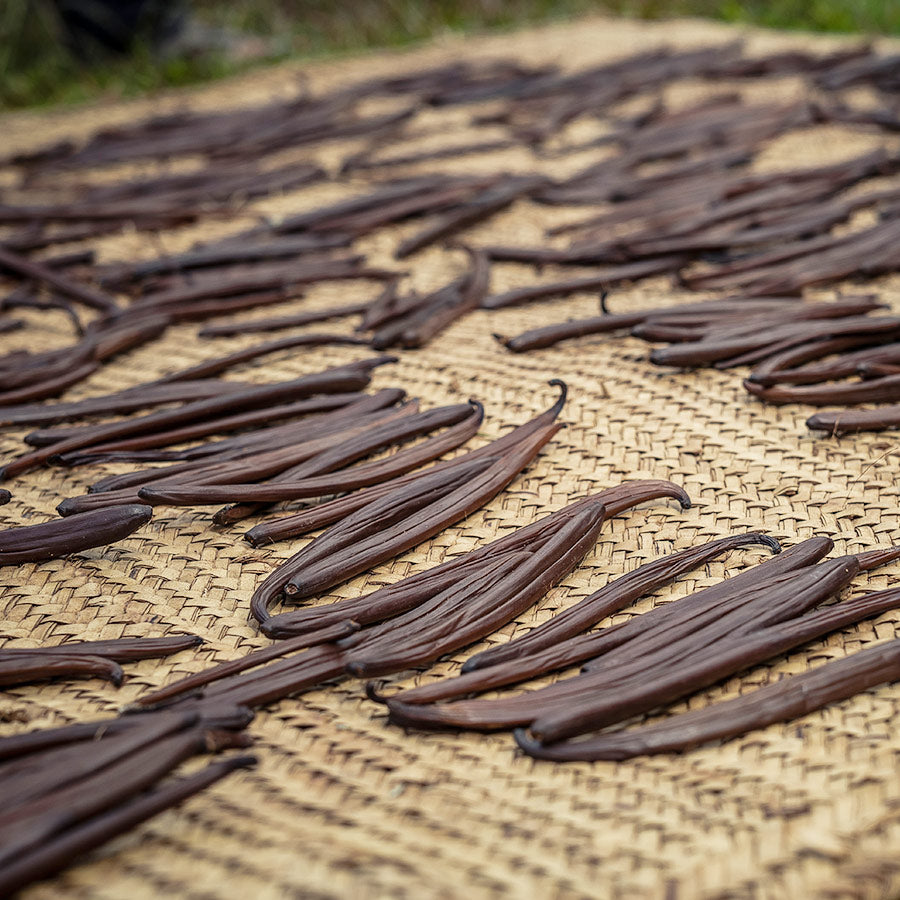
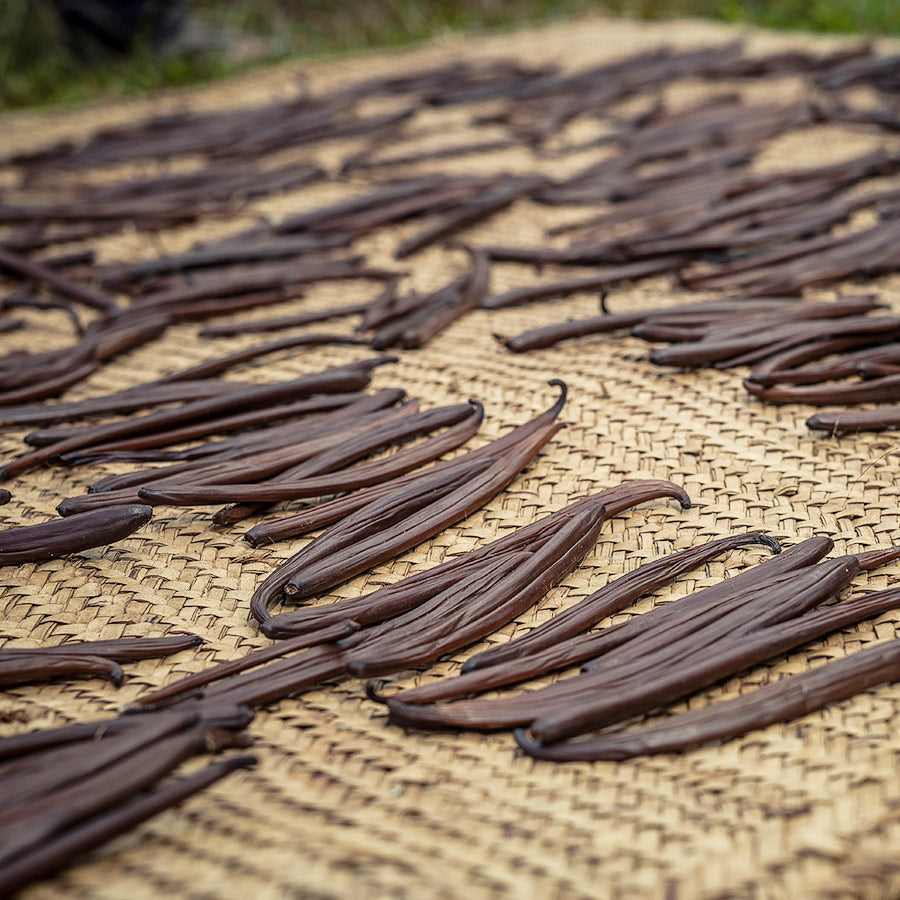
- Ripe vanilla pods are long, dark and glossy and have a characteristic shape.
Name and meaning
- The name derives from the Spanish “vainilla”, meaning “small pod”.
- Vanilla is often called the “queen of spices”, which reflects its highly valued status in cuisine.
Vanilla as a spice
- The fermented capsule fruits are the basis of the spice, which is known for its unique taste.
- Different species of vanilla plant give rise to a wide range of traditional and modern vanilla products.
History and cultural significance of vanilla
Origins in Central America
- The Maya and Aztecs used vanilla mainly to flavour cocoa.
- It was already considered a precious commodity in pre-Columbian times.
Spread to Europe
- In the 16th century, vanilla reached Europe and became a popular flavouring in court cuisine.
- It was quickly used especially in sweet dishes and creams.
Vanilla in modern times
- Today, vanilla is one of the most expensive spices in the world and plays a central role in international cuisine.
- Its distinctiveness makes it indispensable in dessert culture.
Botany and cultivation of vanilla
The vanilla plant and its flower
- The vanilla orchid is a climbing plant with pale yellow flowers.
- The flowers are usually pollinated by hand, as the natural pollinators are absent outside the region of origin in Central America.
How vanilla pods develop
- After pollination, the characteristic elongated capsule fruits form.
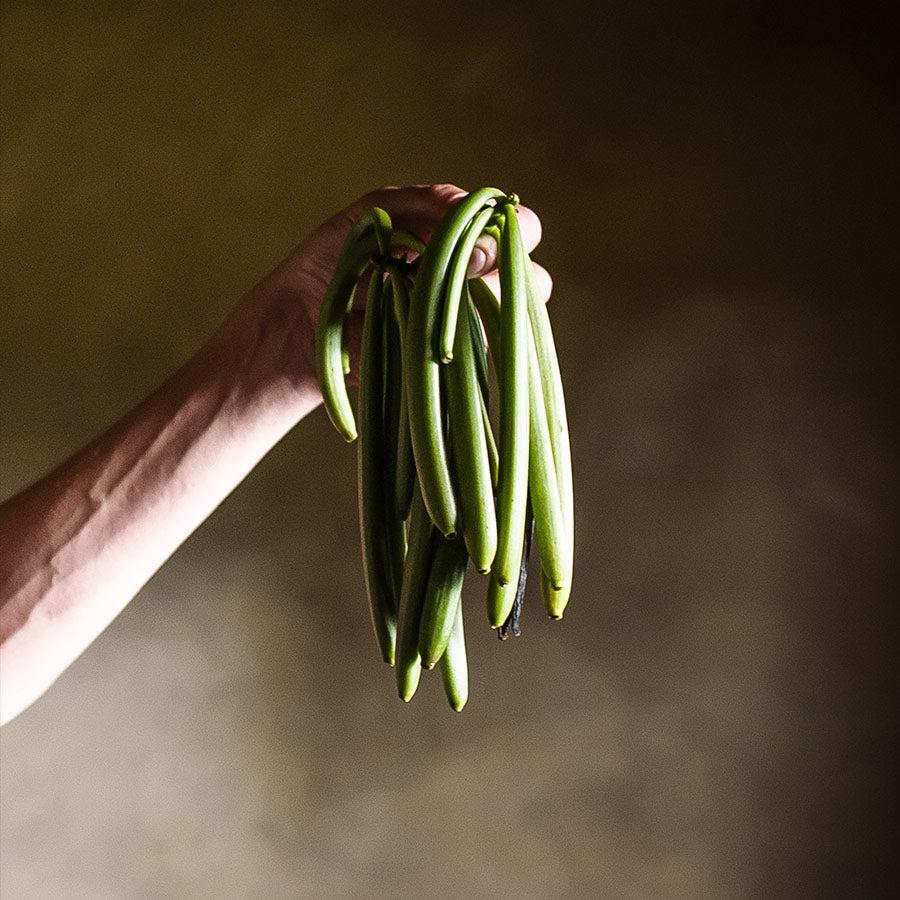
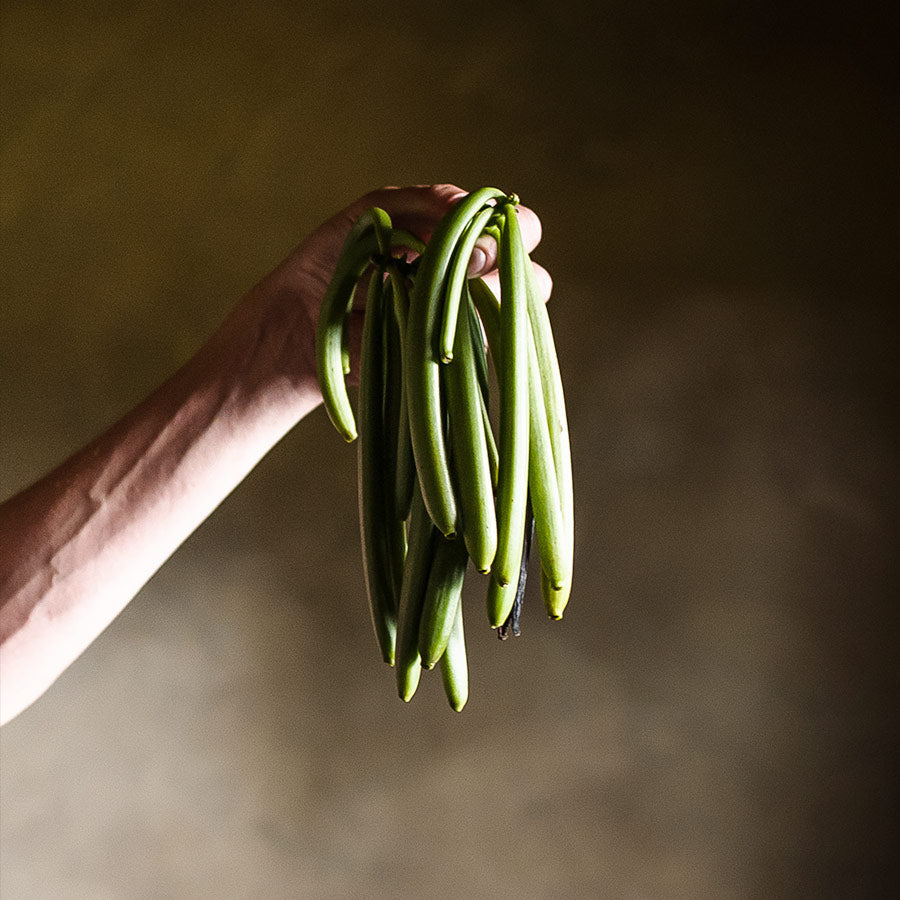
- They are harvested while still green and just beginning to turn yellow at the tip, which is a prerequisite for the subsequent fermentation.
Growing regions and climate
- The main growing regions are in tropical countries, with conditions on Zanzibar being particularly excellent.
- A shady location and well-drained soil are essential for cultivation.
Processing: from green capsule to aromatic spice
Harvesting the vanilla pods
- The harvest is done by hand, which requires a great deal of skill and dedication.
- The pods are sorted by size, colour and quality.
Fermentation and drying
- Fermentation is a multi-stage process that includes steps such as blanching and drying.
- The duration and conditions of fermentation are crucial for developing the typical vanilla aroma.
Storage and maturing
- Optimal storage is in a dry, cool place, protected from light.
- Further maturing contributes to the full development of the aroma.
Varieties and qualities of vanilla
Main species of vanilla
- Spice vanilla (Vanilla planifolia) is the most important species for culinary purposes.
- There are also other species such as Tahitian vanilla, which offer special flavour profiles.
Different aroma profiles
- The basic note of vanilla is sweetish, while the nuances can vary – from floral to caramel to woody.
- Depending on origin and variety, differences in taste can occur.
Quality features of vanilla pods
- Flexible, glossy pods are a sign of high quality.
- An intense fragrance and visible vanilla crystals are also indicators of high-quality products.
Aroma and ingredients of vanilla
Understanding vanilla aroma
- Vanillin is the main aroma compound and gives vanilla its characteristic taste.
- Hundreds of other aroma components make the aroma of real vanilla so complex and unique.
Description of the taste
- The taste of vanilla is described as warm and soft and is often reminiscent of cream and caramel.
- The complexity of the aromas brings a pleasant sweetness.
Real vanilla vs. synthetic vanillin
- Real vanilla offers a rounded, multi-layered aroma, in contrast to the one-dimensional taste of synthetic vanillin.
- Synthetic vanillin is widely used in many industrial products.
Vanilla forms and products
Whole vanilla pod
- The pod consists of an outer skin and the inner pulp, which contains countless tiny seeds.
- The skin can be used to flavour liquids.
Vanilla seeds and vanilla powder
- The pulp is scraped out of the pods and is ideal for desserts, creams and pastries.
- Vanilla powder is made from dried, ground pods and is suitable for flavouring.
Vanilla extract
- Vanilla extract is obtained in alcohol and is ideal for various uses in the kitchen.
- It gives liquid batters, sauces and drinks a special aroma.
Vanilla paste
- This paste combines concentrated aroma with visible vanilla seeds.
- Vanilla paste is easy to dose in baked goods and desserts.
Vanilla sugar and vanilla salt
- Vanilla sugar is made from sugar flavoured with vanilla seeds or leftover pods.
- Vanilla salt is an innovative seasoning for savoury dishes such as fish and salads.
Recognising and identifying real vanilla
Labelling in ingredients lists
- “Vanilla flavouring” can indicate a synthetic flavouring.
- “Natural vanilla flavouring” must be at least 95% derived from vanilla.
Visible features of real vanilla
- Small black specks in the product are a sign of real vanilla seeds.
- The smell and texture of the pods are further quality indicators.
Vanilla in the kitchen: uses and pairing ideas
Vanilla in sweet dishes
- Vanilla is indispensable in pudding, creams, ice cream and dessert creams.
- In baking, it goes perfectly with cakes, gateaux and biscuits.
- It is also suitable for sauces and toppings such as vanilla sauce or vanilla cream.
- In drinks such as cocoa or coffee drinks, it adds a special note.
- Sweet breakfast ideas can be created with vanilla in yoghurt, muesli or jams.
Vanilla in savoury dishes
- Combined with white meat or poultry, vanilla creates sophisticated flavours.
- Fish dishes, especially with salmon, also benefit from its aroma.
- Vegetable dishes such as carrots or asparagus are also refined by a hint of vanilla.
- Fine sauces and cream soups gain a new dimension when vanilla is used.
- In simple dishes, it adds a pleasant underlying sweetness.
Flavour partners for vanilla
- Classic partners are citrus fruits, berries or chocolate.
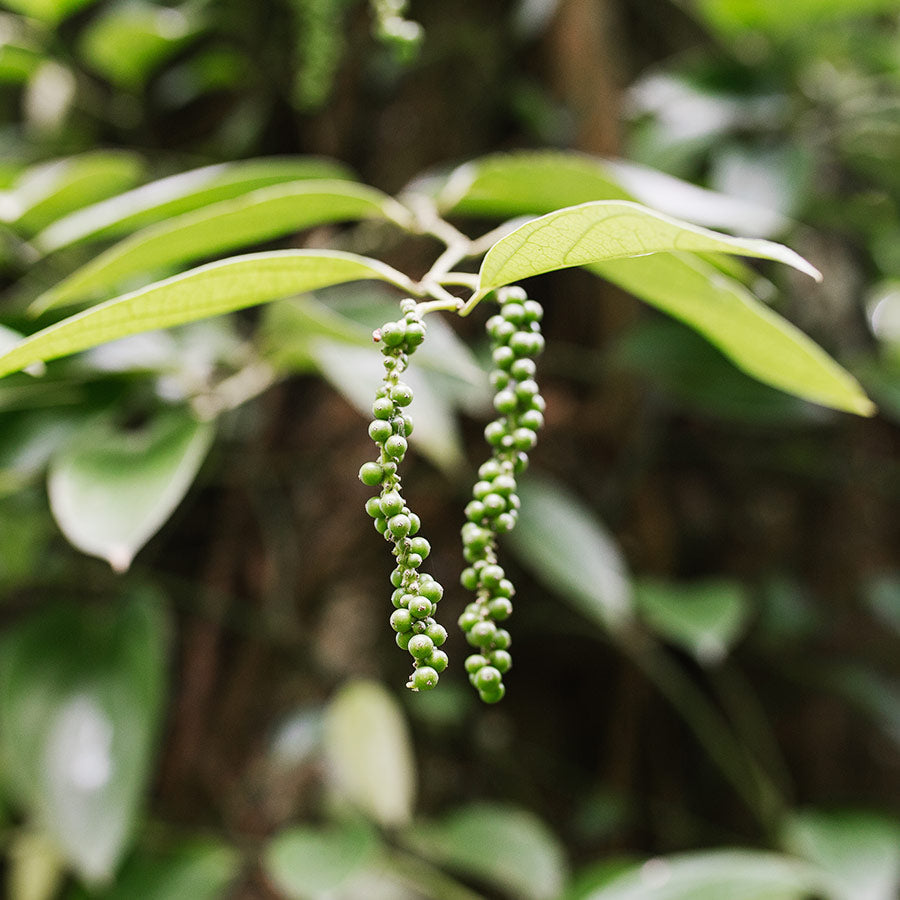
- Recommended spicy combinations are chili or pepper in moderation.
- Creamy partners such as cream or plant-based milk alternatives go perfectly with vanilla.
Tips for working with vanilla pods
Opening and scraping a vanilla pod correctly
- Split the pod lengthways and scrape out the seeds with a knife.
- Stir the seeds directly into doughs or liquids for optimal aroma.
Using the pod as well
- The boiled pod can be left to infuse in liquids such as milk or cream to release its aroma compounds.
- The pod can also be used in sugar or salt for flavouring.
Dosage and timing
- Because of its intense aromatic power, sparing use is recommended.
- The pod can be added during cooking and removed later.
- Letting the aromas infuse ensures a full taste experience.
Making vanilla sugar, vanilla oil and vanilla extract yourself
Homemade vanilla sugar
- Dry new or used pods and mix or grind them with sugar.
- Store in a closed jar and shake regularly for optimal aroma.
Homemade vanilla oil
- Steep a vanilla pod in neutral oil and leave it to infuse for a few weeks.
- Ideal for flavouring salads or marinades for savoury and sweet dishes.
Vanilla extract from whole pods
- Steep the pods in alcohol; after maturing, the extract can be used in many ways.
- Particularly suitable for baked goods or desserts.
Storage and shelf life of vanilla
Correct storage
- A cool, dry and dark place is important for storage.
- Avoid storing vanilla in the fridge to prevent condensation.
Shelf life of pods and processed products
- Stored correctly, whole pods keep for a long time.
- The shelf life of vanilla sugar, extract and paste varies depending on preparation.
Vanilla outside the kitchen
Vanilla in cosmetics and perfume
- Vanillin is also used in creams, perfumes and personal care products.
- The scent of vanilla is perceived as warm and attractive.
Scent, emotions and well-being
- The scent of vanilla is often described as cosy and warm.
- Its use in room fragrances and candles appeals to further senses.
Price, value and sustainability of vanilla
When choosing vanilla, it is important to pay attention to quality and fairness. Products from 1001 Organic guarantee a transparent origin and fair conditions for smallholder farmers on Zanzibar. Every spice you buy helps support this community and preserve the region’s biodiversity.
FAQ
What are the main differences between real vanilla and synthetic vanillin?
Real vanilla offers a complex, full-bodied aroma, while synthetic vanillin is usually one-dimensional and less nuanced. Real vanilla is obtained from the pods of the vanilla plant, while synthetic vanillin is produced chemically by industry.
How do I recognise high-quality vanilla pods?
High-quality vanilla pods are flexible, glossy and show visible vanilla crystals. They have an intense fragrance and a deep, dark colour.
How do I best use vanilla in the kitchen?
Vanilla is excellent in sweet dishes such as pudding and ice cream as well as in savoury dishes such as poultry or fish. The seeds can be used in doughs and liquids, while the pod provides aroma.
How long does vanilla keep?
Stored correctly, whole vanilla pods keep for a very long time. Vanilla products such as sugar or extract can keep from a few months to years, depending on preparation.
Where can I buy sustainably grown vanilla?
Vanilla from 1001 Organic is sourced directly from smallholder farmers on Zanzibar who are paid fairly and practise sustainable farming. Every purchase supports these communities and secures their livelihoods.
Can I make vanilla products myself?
Yes, you can make vanilla sugar, vanilla extract and even vanilla oil yourself by steeping fresh vanilla pods in sugar, alcohol or oil.


Bestsellers


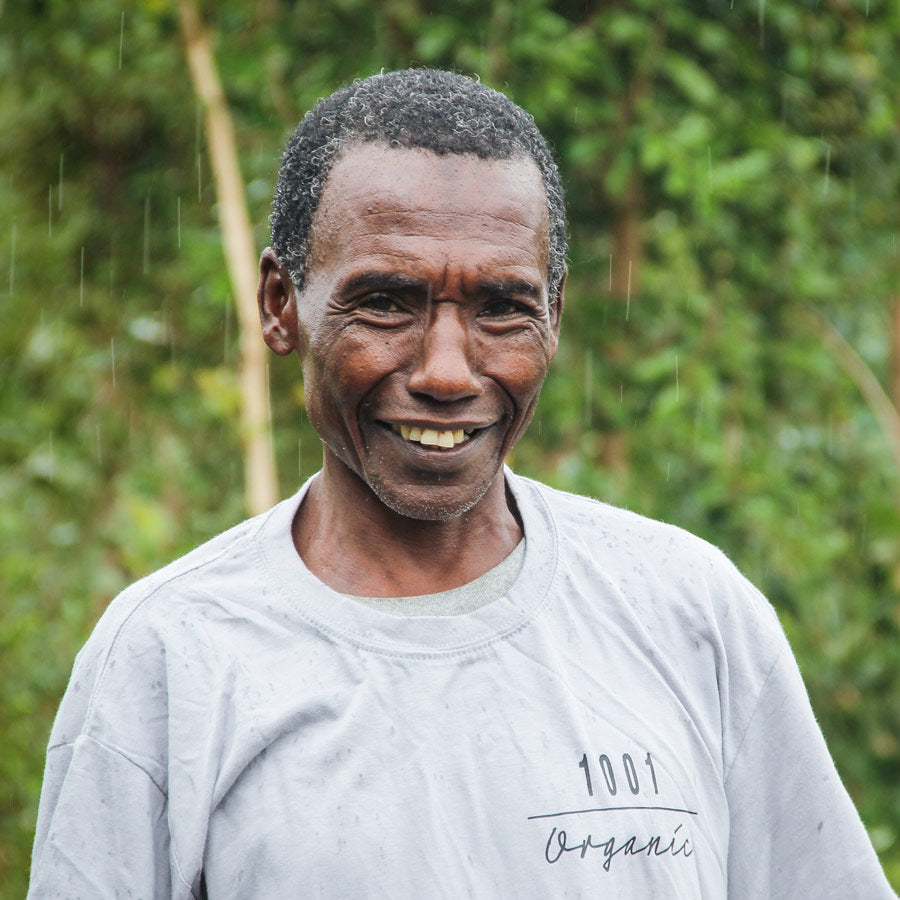













Natural & Fair
• Sustainable farming practices
• Local communities
• Direct partnerships
• Effective value creation at the source of the spices
• Farm to Kitchen concept
• Protection of biodiversity
• Fair working conditions

