





The best curry spice in the world combines top quality, balanced aromas and a distinctive origin from sustainable cultivation. At 1001 Organic, we bring you the best spices from smallholder farmers to your kitchen, guaranteeing freshness and flavour with social responsibility.
What makes the "best" curry spice?
More than a powder: what curry is really about
Curry is not a single plant but always a spice blend made up of many components. There is no universally best curry powder, but numerous styles – from mild and warm to bold and hot. What matters is the quality of the spices, freshness, the balance of aromas and, ultimately, your personal taste.
Key criteria for a top curry spice
- High-quality, fresh single spices: Instead of stale mass-produced goods, we rely on natural, aromatic spices.
- No or as few additives as possible: Salt and sugar belong in the dish, not in the blend.
- Fine, even grinding: So the curry distributes well and nothing feels "floury".
- Complex, balanced flavour: Sweet, piquant, spicy and possibly slightly bitter – nothing stands out unpleasantly.
- Balanced heat: It should suit the dish, ideally controlled through chilli and pepper.
The building blocks of the "best" curry spice
Typical base ingredients in high-quality curry blends
Base spices that almost always feature
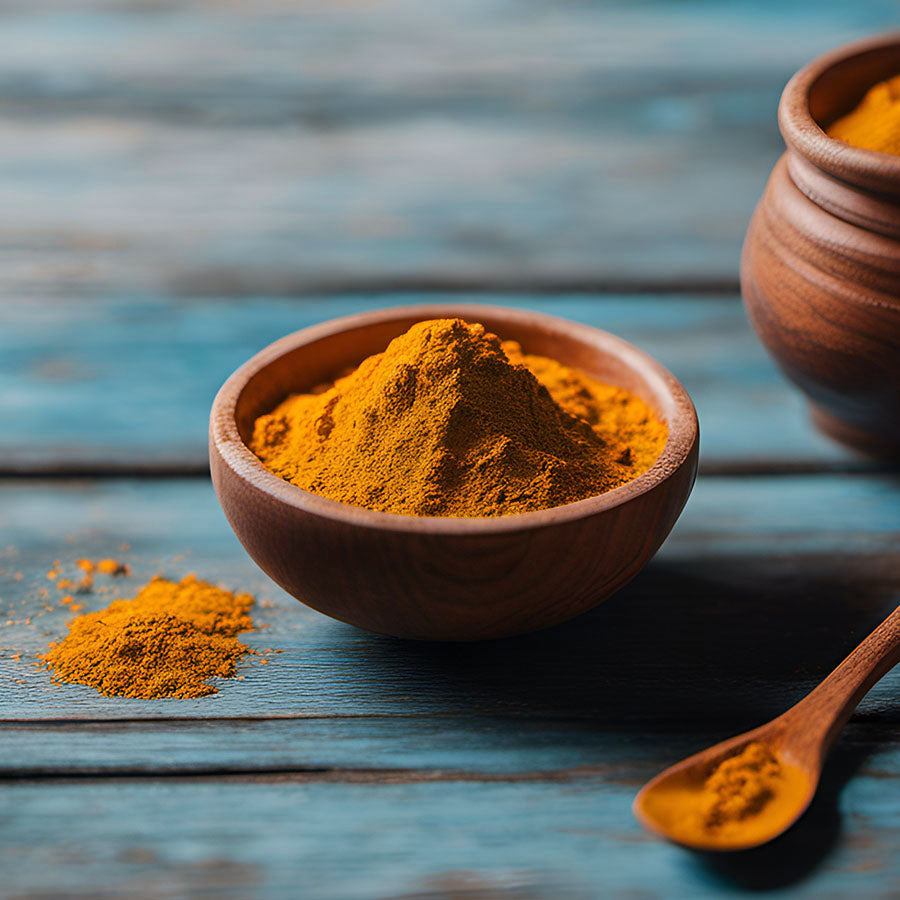
- Turmeric: Provides the yellow colour and a warm, slightly bitter spiciness.
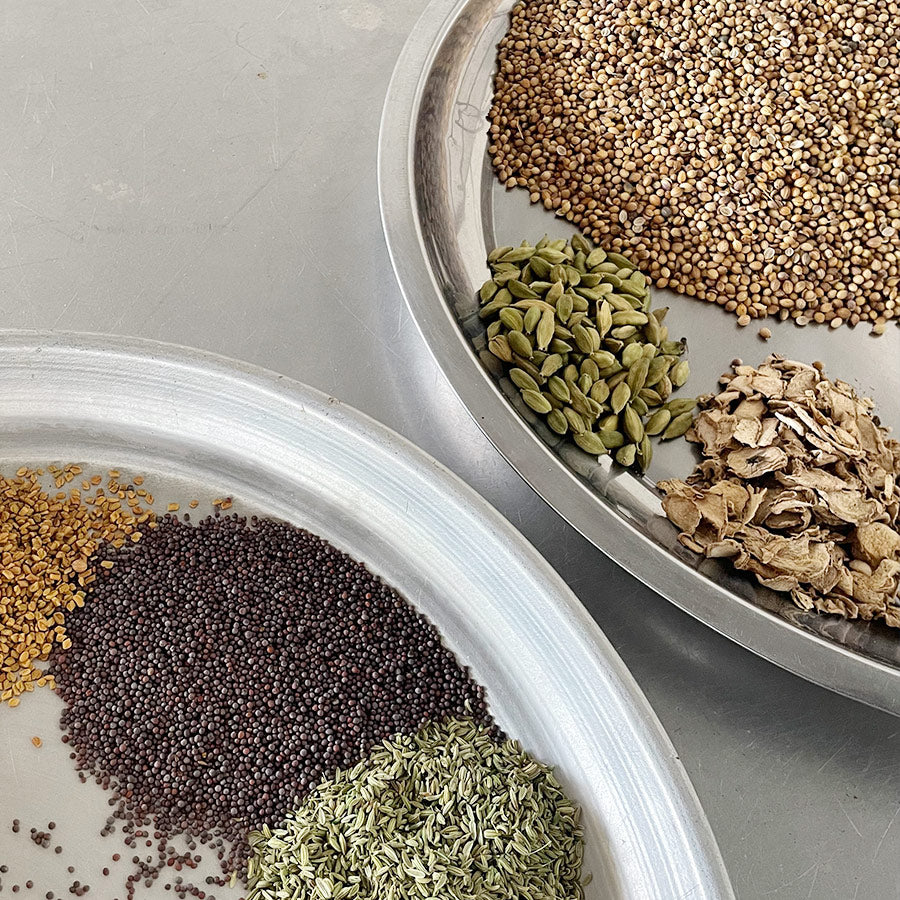
- Coriander (seeds or ground): Citrusy, rounds off and harmonises.
- Cumin: Earthy and intense, brings warmth and depth.
Classic flavour builders for more depth
- Fenugreek: Slightly bitter and typically "curry-like".
- Ginger: Fresh, warm heat.
- Chilli: For heat from mild to fiery.
- Allspice: Warm, rounded and reminiscent of clove and nutmeg.
- Cinnamon: Gentle sweetness and warmth.
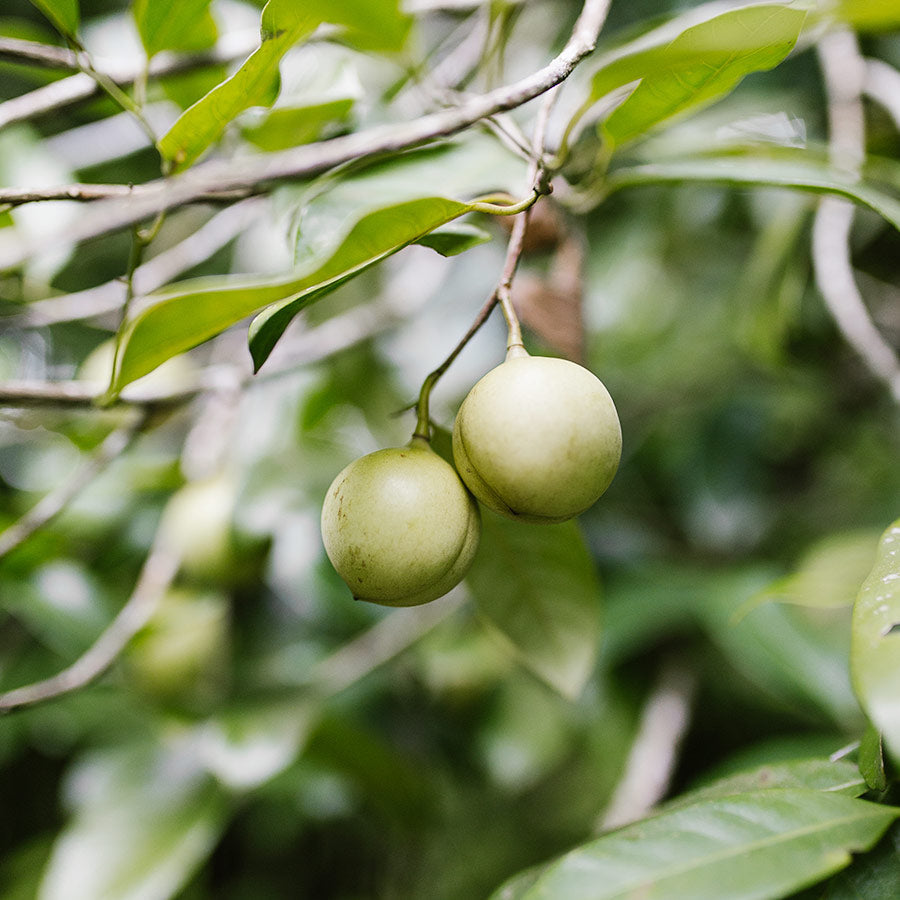
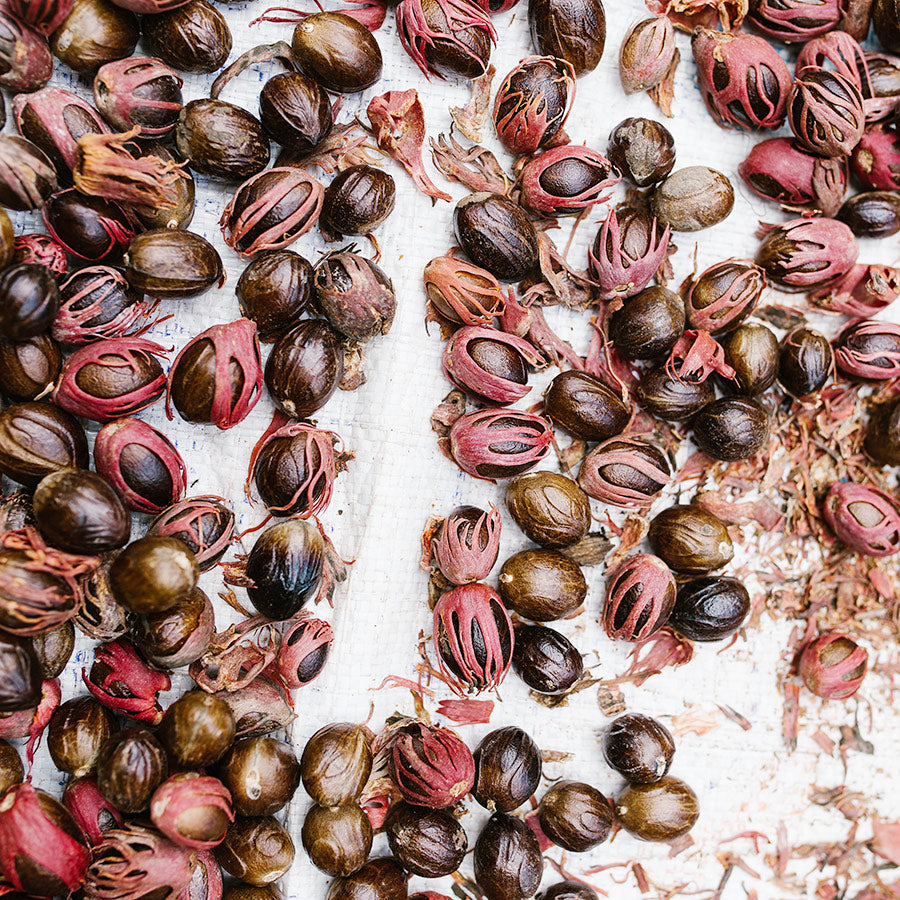
- Nutmeg: Warm, nutty depth.
- Cloves: An intense, warm spice, used sparingly.
- Cardamom: Fine, fresh spiciness.
Other typical accents in curries from around the world
- Paprika: For mild fruitiness and colour.
- Galangal: The "little brother" of ginger, especially in Asian-inspired curries.
- Nigella, bay leaf, lemongrass, lime: For bitter or fresh notes depending on the style.
Styles: the main curry flavours
Mild, warm curries
In mild curries, the flavours of turmeric, coriander and cumin take centre stage, joined by a little cinnamon, nutmeg and clove. Gentler heat emphasises the warmth. They are excellent for vegetable dishes, creamy sauces and curries with coconut milk.
Medium-hot, balanced curries
These blends have a noticeable share of chilli, but it is well balanced and often complemented by pepper. Medium-hot curries are popular for classic stews, pulses and hearty vegetable dishes.
Bold, hot curries
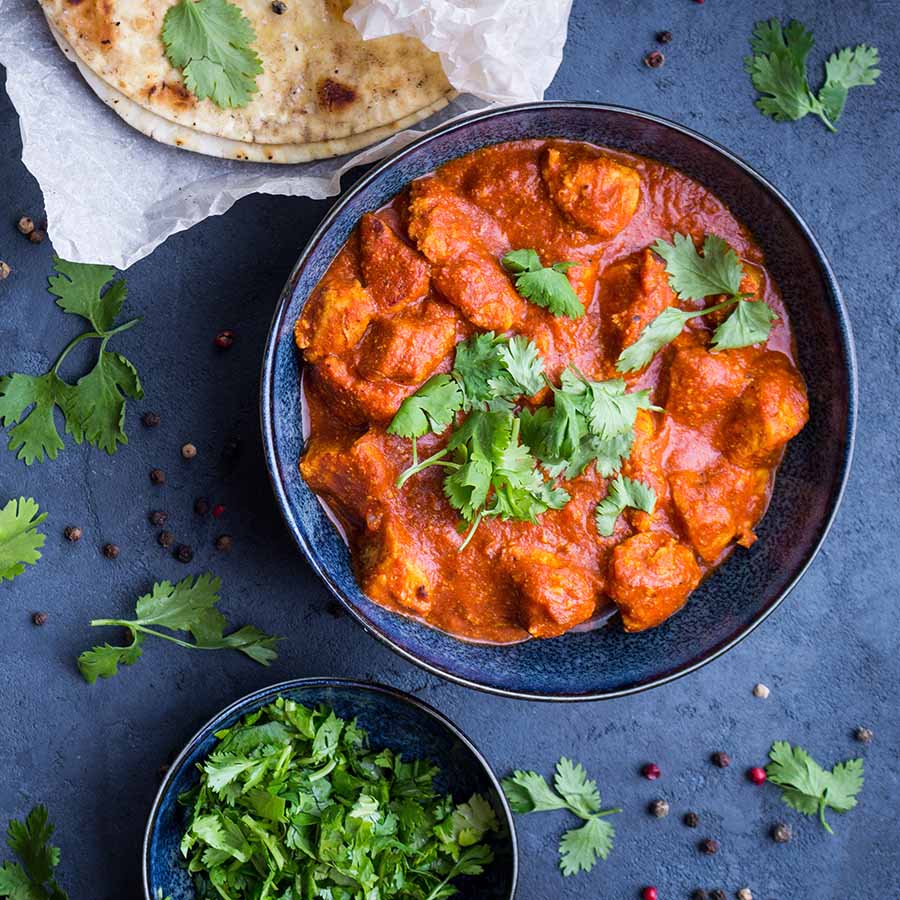
These varied curries contain high proportions of chilli as well as intense spices such as ginger, allspice and cardamom. They are ideal for very spicy dishes and work perfectly in hot curry sauces for fried meat.
Origin, quality and freshness
Why the origin of the spices matters
Countries of origin and quality
Classic countries of origin for curry are India and Sri Lanka, where there is long experience in growing and blending. In these regions, masalas are part of everyday life. Every region, and sometimes every family, has its own recipes.
Regional curry traditions
- Indian curries / masalas: Diverse, often with complex spice profiles.
- Asian curries: Often combined with fresh components such as lemongrass and lime.
- Caribbean / Creole curries: Based on the spices mentioned above, but weighted differently.
Freshness as the key to aroma
How to recognise freshness
- Bright, natural colour: Especially in turmeric-based blends.
- Intense, clear scent: Noticeable as soon as you open the pack.
- No musty or "dusty" notes: Pay attention to the freshness of the spices.
Handling curry powder in the kitchen
Store curry powder in a dry, dark and airtight place to preserve its aroma. It is advisable not to use spices that are too old – better to buy smaller amounts more often.
Composition & balance: how the "best curry" works inside
Balance of aromas
- A high-quality curry brings sweet, sour, bitter and hot components into balance.
- Too much turmeric can tip into a bitter note.
- A "yellow colouring blend" with few other spices provides colour but hardly any depth.
Structure of the blend
Many good curries contain between 6 and 20 ingredients. The individual spices should support one another. Each component has its job.
How to find "your" best curry spice
Ready-made blends: what to look for when buying
A look at the ingredient list
- A short list of real spices, ideally without flavourings.
- Little salt and sugar – they can be fillers.
- The main ingredients should be turmeric, coriander, cumin, fenugreek, ginger and chilli.
Sensory criteria
- Colour: Natural, warm yellow, ideally not garish.
- Smell: Complex, multi-layered, without pungent or dull notes.
- Texture: Fine and even – free-flowing.
Test results as guidance
Price does not automatically guarantee quality – cheaper products can also impress in taste if the blend is well balanced. Expert juries pay particular attention to balance, complexity and consistency.
Your own curry blend: ingredients and steps
Why mixing your own is worth it
Mixing your own lets you adjust heat, sweetness and spiciness to your taste. You choose the strength of the aromas – such as cardamom or cinnamon – yourself.
The typical approach to mixing your own
- Choose a base: Turmeric, cumin, coriander and chilli as the foundation.
- Dry-roast the spices: Lightly toast whole seeds in a pan until fragrant.
- Grind: Process finely in a grinder or mortar.
- Refine: Add cinnamon, cloves, cardamom, nutmeg and allspice to taste.
- Note down and adjust: Write down the ratios and taste to find your favourite blend.
Using it in the kitchen: how the "best curry" really shines
When and how curry goes into the dish
Typical steps
Curry powder should often first be sweated in a little fat so the aromas can develop. Then deglaze with liquid such as water, stock, coconut milk or tomatoes. It is better to add several small amounts one after the other and taste in between.
Combining with other ingredients
A classic base in many recipes is onion, garlic and ginger. Then the curry goes in. Our blends are perfectly balanced, giving your dishes a very special touch.
Why 1001 Organic is the best choice
At 1001 Organic, we rely on sustainable farming practices and direct partnerships with smallholder farmers in Zanzibar. By processing and packing directly at the source, we guarantee maximum freshness and quality. With every purchase, you not only support your taste experience but also positive social impact and fair value creation on site.
From smallholder farmers to your kitchen
Every spice blend tells the story of its origin and the people who grow it. At 1001 Organic, we bring you the best curry spice in the world, which keeps not only the aromas but also the traditional art of cooking alive.
FAQ
What is the best curry spice in the world?
The best curry spice in the world is a harmonious blend of high-quality, fresh spices, carefully put together to offer an optimal taste experience.
Where do 1001 Organic's spices come from?
1001 Organic's spices come directly from smallholder farmers in Zanzibar who work under fair conditions and grow their spices sustainably.
How do I recognise fresh curry spice?
Fresh curry spice is characterised by a vibrant colour, an intense scent and an even, fine texture.
Can I mix my own curry spice?
Yes, mixing your own curry spice lets you adjust the aromas to your taste. You can toast the spices and grind them fresh for a more intense aroma.
What are the most important ingredients in a curry spice?
The base of every good curry spice should be ingredients such as turmeric, coriander, cumin and chilli, complemented by other aromatic spices such as cinnamon and cardamom.
Why should I buy 1001 Organic spices?
1001 Organic not only offers fresh, aromatic spices but also stands for social justice and sustainable cultivation. Your purchase supports smallholder farmers and strengthens the local economy in Zanzibar.


Bestsellers
























Natural & Fair
• Sustainable farming practices
• Local communities
• Direct partnerships
• Effective value creation at the source of the spices
• Farm to Kitchen concept
• Protection of biodiversity
• Fair working conditions

